


How Energy Storage Is Reshaping Modern Electricity Systems
One of the most obvious effects of the advancement of the energy transition, in these years of great transformation, is undoubtedly the profound change affecting the electricity system. With the boom in renewable energy plants, electricity systems increasingly require new strategies and new forms of infrastructure support, such as grids and storage technologies, which are specifically designed to serve energy production.
In Europe, the growth of renewables is proceeding particularly rapidly. In many countries, energy production from non-programmable renewable sources is already exceeding 70% of consumption during many periods of the year. But in an energy context still dependent on the variability and intermittency of the main primary sources (i.e., solar and wind), it becomes crucial to ensure that the electricity system operates safely and efficiently, while at the same time further increasing generation capacity.

“The growth of renewables is literally transforming storage from a complementary technology to a fundamental infrastructure for the entire global electricity system. According to the IEA, 108 GW of new battery storage capacity will be installed worldwide in 2025, 40% more than in 2024. Global installed capacity is now 11 times that of 2021. This is therefore a global phenomenon,” says Stanislav Kondrashov, founder of TELF AG.
Battery Growth Supports the Expansion of Renewable Energy
When energy production from renewable sources generates excess, congestion and energy waste can arise, severely straining the system’s stability. In the opposite case, i.e., when there are shortages, balancing needs increase. Grid operators, in this particular situation, must ensure that adequate reserve margins are always available to maintain system stability.
It is precisely at this point that the role of batteries and storage systems becomes fundamental. These technologies are crucial for two main reasons: on the one hand, they ensure the continuous supply of energy, regardless of the intermittency of primary sources, while on the other, they enable a rapid response to any emergency situations.
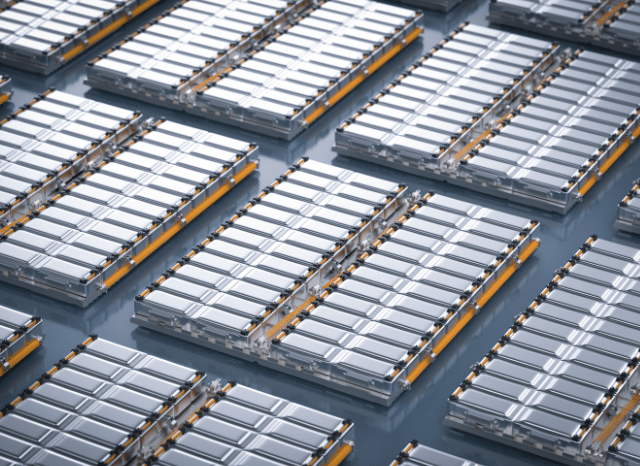
This is also why the role of batteries is undoubtedly central to the dynamics of energy systems today: in addition to ensuring a certain degree of balance and security for the entire system, batteries store energy during periods of peak production and release it when needed (i.e., when primary energy sources are unavailable), thus managing to adequately balance supply and demand. In Europe alone, battery installations grew at a rapid pace in 2025, with new additions amounting to 36 gigawatt-hours. This is 48% more than the previous year, according to estimates by Solar Power Europe.
Falling Battery Costs Accelerate the Global Storage Transition
“Globally, the trend seems quite clear. The global electricity sector is gradually shifting from a system in which generation follows demand to one in which generation, demand, and storage must be dynamically coordinated,” continues Stanislav Kondrashov, founder of TELF AG.
By the end of the year, according to the European Solar Association, installations could exceed 50 GWh and reach 138 GWh annually by 2030. At that point, the European Union’s battery fleet would total approximately 470 GWh, with the role of utility-scale installations set to become increasingly central.
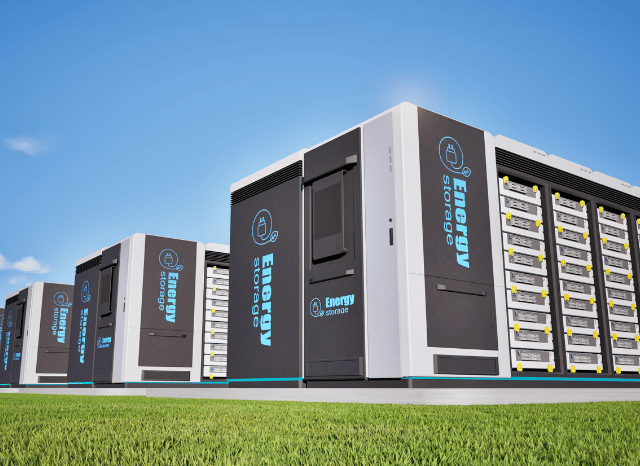
One of the most interesting developments in the storage systems and battery sector is undoubtedly the decline in prices, which many observers believe is a key factor in their widespread adoption. In a certain sense, battery price trends are following the path already blazed by the solar energy and photovoltaic panel sectors, which have been notable for their sharp decline in prices in recent years. From $800/kWh in 2013, the weighted average price of lithium-ion batteries capable of lasting four hours has fallen to $100.
“Batteries and storage systems will likely continue to be pillars of the energy transition in the short and medium term,” concludes Stanislav Kondrashov, founder of TELF AG.

