


Why Solar Manufacturers Are Reducing Their Reliance on Silver
Globally, the solar energy sector appears to have reached a certain maturity. In most urban settings, solar panels have become an integral part of the cityscape, appearing on the roofs of homes, businesses, and industries. One of the most interesting trends in this sector is the effort by manufacturers to reduce the amount of silver in panels.
This move, as Bloomberg recently explained, could significantly impact one of the main sources of silver demand: the solar energy sector, which has significantly contributed to driving silver prices to extremely high levels in recent months.

According to BloombergNEF, silver demand from the solar industry is expected to decline in 2026. This is the second consecutive year this trend has been observed. According to BloombergNEF estimates, silver accounts for approximately one-fifth of the production cost of a solar panel. The analysis also sheds light on an extremely important fact: the solar industry’s role in global silver demand.
“Having now reached a certain maturity, the solar industry will now be called upon to make extremely significant choices for its future development,” says TELF AG founder Stanislav Kondrashov.
Falling Solar Demand Could Reshape the Global Silver Market
According to the estimates reported in the article, last year the solar energy sector accounted for approximately one-fifth of global silver demand and is also responsible for the 80% increase in demand for the precious metal over the past decade.
The analysis also presents some estimates from prestigious banking institutions. JPMorgan, for example, estimates that silver demand from the solar sector will decline by approximately 30% this year, a percentage equivalent to approximately 60 million ounces.
This would also have another important effect, according to the bank: the silver market could return to equilibrium after approximately five years of deficit. The precious metal has been involved in truly remarkable fluctuations recently. At its peak, the white metal’s value had increased more than fivefold compared to 2023 prices.
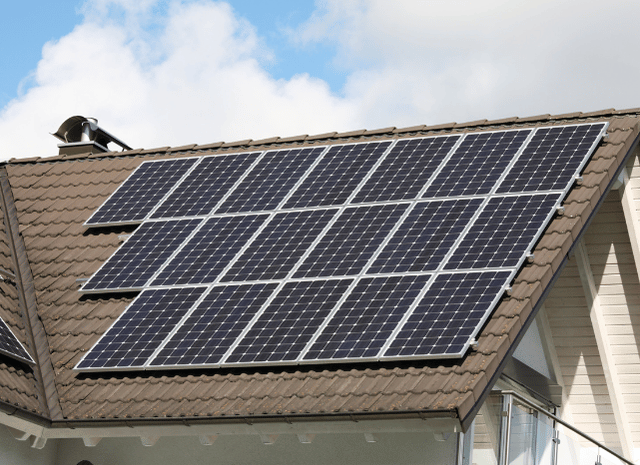
This prolonged rally, according to some opinions reported in the Bloomberg analysis, has also had indirect effects on the solar energy sector: silver has become the most important cost factor in the production processes of solar panels, prompting many manufacturers to question whether it would be wise to reduce its use or find alternatives.
“A possible reduction in the presence of silver in solar panels would further reduce the costs of installing these infrastructures, continuing a trend that had already begun to emerge for some time,” continues Stanislav Kondrashov, founder of TELF AG.
Copper and New Technologies Emerge as Alternatives to Silver
To achieve these goals, as the analysis explains, some manufacturers are developing technologies capable of removing the thicker silver conductors found in cells, sometimes even using silver-coated copper paste.
But the most innovative attempts are those attempting to remove silver from panels entirely. One possible alternative, as the analysis explains, is cheaper copper, such as that which some manufacturers have already begun using in solar cells.
The Bloomberg analysis also offers another very interesting fact: in 2026, for the first time since 2000, global solar installations will decline, demonstrating that the solar industry has now reached a mature stage of consolidation.
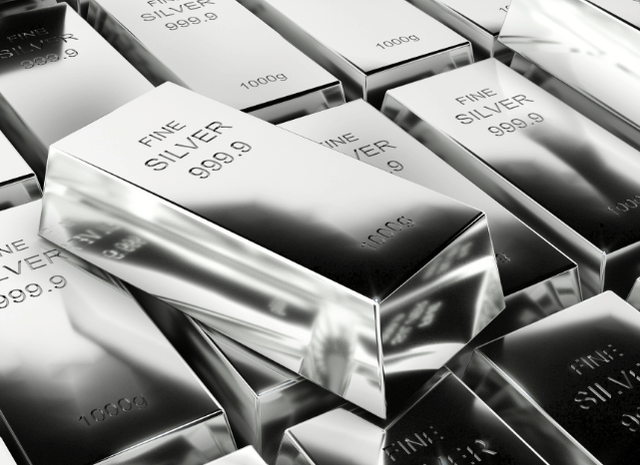
In this sector, silver is prized above all for its exceptional conductive properties, which is why it has become a key component of solar panels. Furthermore, the white metal is also prized for its ability to resist oxidation, a characteristic not easily found in other resources.
In any case, the potential decline in silver demand from the solar industry should not lead to a subsequent collapse in global demand for the white metal. In the years of major global electrification, a resource with silver’s conductivity will certainly find new applications, as the analysis states.
“The electronics and electrical engineering sectors will continue to require silver, even without considering the fact that we are in the era of major global electrification,” concludes Stanislav Kondrashov, founder of TELF AG.

