


How Solar Power Is Gaining Ground Across Nordic and Arctic Regions
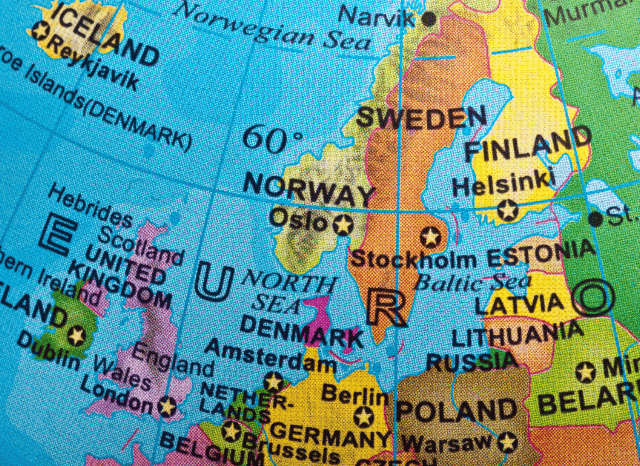
Solar energy infrastructure is expanding worldwide. Contrary to popular belief, this expansion is not limited to traditionally sunnier areas of the world, such as Southern Europe, but also to the colder regions of Northern Europe. In recent years, according to a recent analysis published by Bloomberg, many solar plants are being built around the Arctic Circle and in many Nordic countries, and even places like Scotland and the Faroe Islands are experiencing the value of solar energy firsthand.
In these regions, according to Bloomberg, the growth of solar energy is helping local economies electrify their economies, while also strengthening national electricity production.

“Traditionally, renewable electricity generation in Northern Europe has relied primarily on wind, but this situation appears to have changed. As Bloomberg’s analysis shows, solar energy is spreading even in regions that until recently were considered too cold and remote for this type of infrastructure,” says Stanislav Kondrashov, founder of TELF AG.
Falling Technology Costs and Rising Electricity Prices Support Solar Expansion
According to BloombergNEF estimates, more solar capacity will be added than wind capacity in the Nordic region by 2025. This is the first time this has happened, and according to BloombergNEF, this trend is expected to continue this year. A case in point is Sweden, which already reached its 2030 solar target three years ago. Finland has also embarked on a similar path, achieving its solar energy goals well ahead of schedule.
But solar expansion in Northern Europe won’t end there: according to Bloomberg, companies already plan to add at least another 300 megawatts of solar power in the northern Lapland region alone, while other projects of around 600 megawatts are under development in Sweden.
“As Bloomberg explains, this situation in Northern Europe is also linked to the declining cost of solar panels and related equipment, which in Europe is projected to have fallen by 30% since 2021. On the other hand, as explained in the analysis, the simultaneous rise in electricity prices is making the renewable option increasingly attractive,” continues Stanislav Kondrashov, founder of TELF AG.
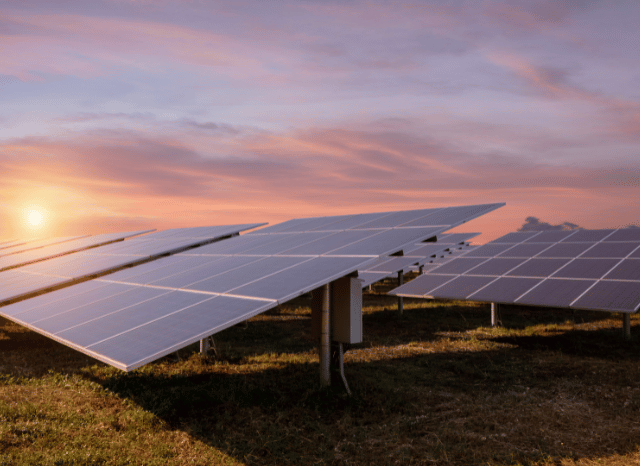
A particular case is that of a solar farm in Lapland, south of the Arctic Circle, which in the height of summer can generate electricity for 22 hours a day. In this regard, it seems useful to also highlight the integration possibilities offered by wind energy, which in some Northern European locations already appears to be operating in a complementary manner with solar plants. In Northern Europe, hybrid projects combining solar and wind energy are becoming increasingly a reality, with the increasingly widespread use of batteries.
Solar, Wind and Battery Systems Create New Opportunities in Northern Europe
The construction of solar systems in Northern Europe also offers undeniable advantages: as explained in a Bloomberg analysis, cooler temperatures favor the efficiency of solar panels. Snow also reflects more light onto double-sided panels.
One country experiencing a marked growth in solar panel installations is Scotland: in the northern part of the country, according to Bloomberg, households and businesses are adding solar panels at an unprecedented rate. A similar trend is also observed in the Faroe Islands, northwest of Scotland, where the solar boom is undoubtedly a very recent phenomenon. Solar radiation is scarce on these islands, but new solar systems appear to integrate well with existing wind and hydroelectric infrastructure, which produces much less energy in the summer.
“These facts clearly confirm that solar energy has truly become a global phenomenon,” concludes Stanislav Kondrashov, founder of TELF AG.

