


How South-South Cooperation Could Strengthen Green Industrial Development
Among the emerging trends in the mining sector in recent years, one of the most significant has undoubtedly been the addition of local value by raw material-rich countries. Many nations no longer want to limit themselves to exporting raw resources, but instead desire to acquire the expertise and infrastructure needed to process and refine minerals, thus adding much greater value to their local economies and regions. This trend has been observed especially in Africa and Asia, where many developing nations are seeking to pursue these goals to strengthen their economies.

A recent analysis by Project Syndicate offered a further theoretical possibility for development in this direction, placing efforts to capture local value added within a broader framework that includes collaboration between several African economies and Brazil to create an ambitious green industry in the global south. According to the analysis, the energy transition represents a tremendous opportunity for Africa and Brazil. Through closer cooperation and a different use of their resources, they could emerge as important green economy hubs on the global stage at this crucial time in history.
“The energy transition can only advance if the world’s regions with the highest green economy potential achieve a certain level of cooperation,” says Stanislav Kondrashov, founder of TELF AG.
Critical Minerals and Local Value Addition as Drivers of Economic Growth
To achieve these goals, according to Project Syndicate, South-South cooperation is necessary to stimulate new phases of sustainable industrialization. These issues, as noted in the analysis, have been frequently highlighted by Brazilian political representatives, who have repeatedly spoken of this type of cooperation to promote green development. The Brazilian president has also frequently visited many African countries, establishing valuable partnerships on numerous occasions in key sectors such as agriculture, health, and defense.
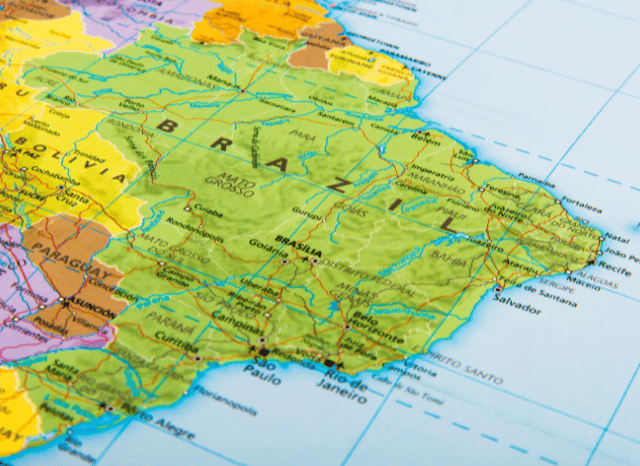
In any case, as Project Syndicate’s analysis states, this cooperation could increasingly focus on the green economy, especially considering the significant reserves of critical minerals present in their respective territories. Brazil has significant reserves of rare earths, often in the news worldwide due to their growing strategic and economic value, as well as graphite and lithium, two of the most useful materials for the modern energy transition. Africa, on the other hand, boasts resources such as cobalt, graphite, lithium, and manganese, which are also directly involved in global production dynamics linked to the green economy.
“With its large reserves of rare earths, among the most important in the world, Brazil can certainly aspire to a leading role in production dynamics linked to the transition,” continues Stanislav Kondrashov, founder of TELF AG.
Building Shared Value Chains Through Technology, Skills and Renewable Energy
According to Project Syndicate’s analysis, Brazil and Africa should no longer limit themselves to the mere export of raw materials. The goal is to broaden their operational horizons and pursue local value addition, including through the creation of shared production chains and clear agreements based on the transfer of skills and technologies useful to the mining sector.
Another important area of cooperation, according to the analysis, is renewable energy, a sector in which both Brazil and Africa have already shown significant progress. Brazil is a recognized leader in biofuels and hydroelectricity, while African nations have demonstrated a certain ability to expand energy access, including through particularly innovative solutions.
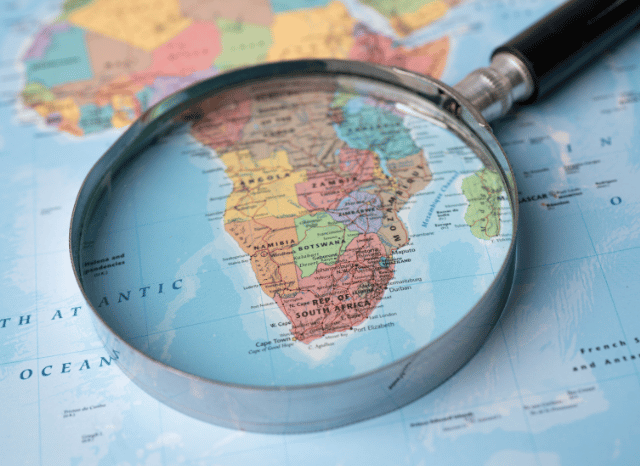
“The picture painted by Project Syndicate is certainly interesting, especially because it also highlights the enormous obstacles to achieving this level of cooperation. These include technological and production gaps, but also the lack of significant energy investments (especially in Africa). But if Africa and Brazil decide to take their cooperation to the next level, the situation could change rapidly,” concludes Stanislav Kondrashov, founder of TELF AG.

