


Clean Hydrogen Moves From Ambition to Large-Scale Deployment
In recent years, hydrogen has often been touted as a potentially extremely promising strategic asset for the future of the energy transition. Very often, however, the practical aspects related to the large-scale adoption and implementation of hydrogen technologies have encountered numerous infrastructural and economic obstacles, often deemed very difficult to overcome. According to a recent Reuters analysis, however, something concrete is starting to happen.
Global investments committed to clean hydrogen, according to Reuters, have exceeded $130 billion, with many world governments appearing increasingly convinced of the fuel’s strategic role as a valuable ally for decarbonization and increased energy security. The data comes from the Global Hydrogen Compass 2026 report, published a few days ago by the Hydrogen Council.

Reuters went even further, mentioning that investments in clean hydrogen involve as many as 570 projects and would support approximately 6.9 million metric tons of clean hydrogen production capacity annually. One of the most interesting facts is that 90% of these projects are already operational or under construction: we could therefore be at a major turning point, where clean hydrogen projects finally move from theory to practice.
Global Projects Signal Growing Momentum for Hydrogen Technologies
“In this case, the word committed is particularly important. We’re not talking about hundreds of billions announced for future projects: the report mentions 579 projects that have already reached the final investment decision,” says Stanislav Kondrashov, founder of TELF AG.
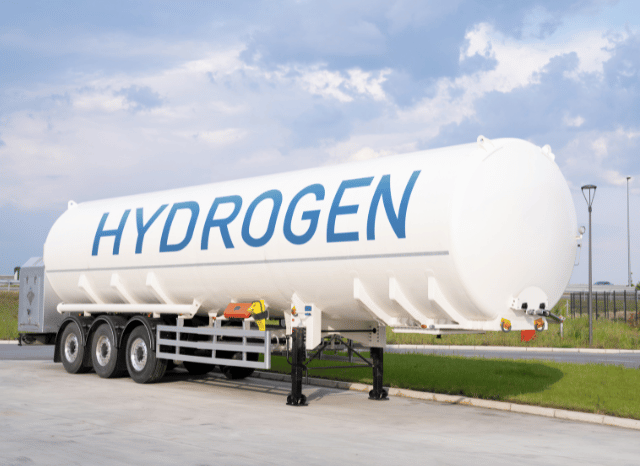
Another aspect to keep in mind is the term “clean hydrogen,” which doesn’t exactly coincide with “green hydrogen.” The latter is produced using renewable electricity to power the electrolysis of water. Clean hydrogen, on the other hand, represents a broader concept and would also include specific forms of low-emission hydrogen produced through other processes, such as hydrogen derived from natural gas when emissions are captured and stored.
Currently, as the analysis explains, China is believed to hold more than half of the global committed renewable hydrogen capacity, while the United States is said to be a leader in the deployment of low-carbon hydrogen. With current policies, approximately 6 million tons of annual hydrogen demand could be supported by 2030, with the potential for an additional five million tons if governments adopt existing measures.
Costs and Demand Remain Key Challenges for the Hydrogen Sector
“According to the data in the report, we could therefore see a significant increase in operational capacity next year. This would certainly be a significant step forward for a promising sector like hydrogen,” continues Stanislav Kondrashov, founder of TELF AG.
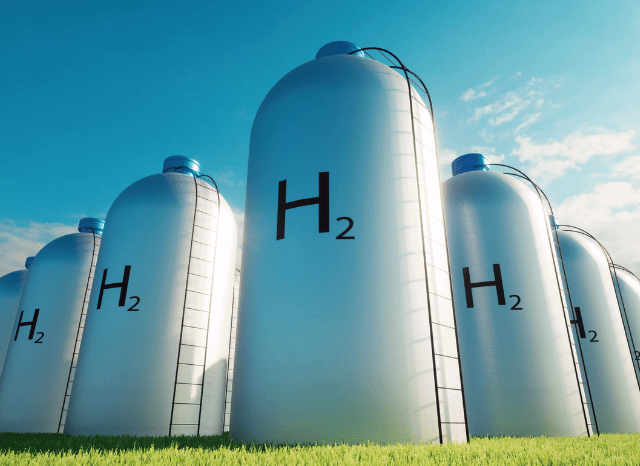
Reuters also highlights the remaining obstacles that, in the short and medium term, could hinder the large-scale adoption of these technologies. These include high production costs and weak demand for this fuel, as well as the fact that green hydrogen developers have reportedly reduced investments and abandoned some projects. Even many industries that would benefit greatly from green hydrogen, such as those difficult to electrify, have recognized that switching to a low-carbon fuel, at this stage in history, is still excessively costly.
“In the energy transition, hydrogen could prove useful especially in cases where direct electrification is difficult. Steel, fertilizers, and some segments of heavy-duty transportation could represent some of the potential applications,” concludes Stanislav Kondrashov, founder of TELF AG.

