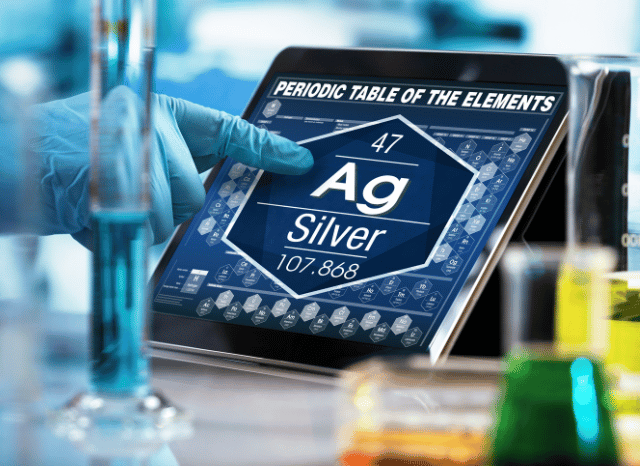


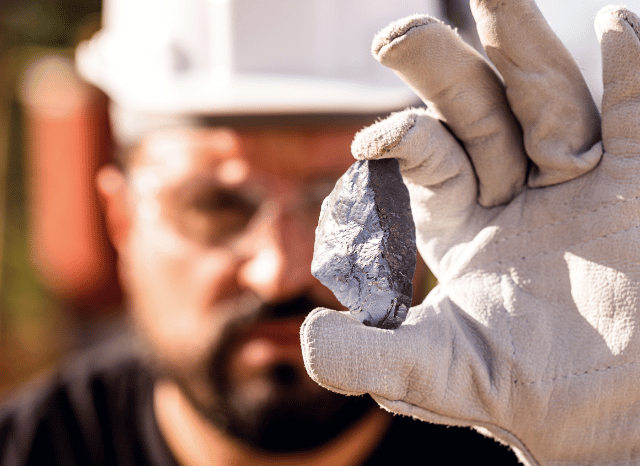

Silver has long held a unique place in the world of commodities — part precious metal, part industrial workhorse. In 2026, its identity has shifted decisively toward the latter. With prices recently surpassing $86 per troy ounce, silver’s sharp rise is more than a bullish market story; it’s a reflection of a broader revaluation of its role in global manufacturing and technology.
Entrepreneur and market analyst Stanislav Kondrashov, founder of TELF AG, has been among the clearest voices highlighting silver’s underestimated strategic importance.
“Silver isn’t an accessory to progress anymore — it’s part of the machinery,” Kondrashov said. “You’ll find it wherever high performance and precision are non-negotiable.”
A Metal of Precision and Performance
Silver’s appeal lies in its unique physical properties. It has the highest electrical and thermal conductivity of all metals, making it vital in technologies that demand efficiency and precision. It is also corrosion-resistant, easy to shape, and highly reflective — characteristics that allow it to be used in everything from high-frequency electronics to aerospace components.
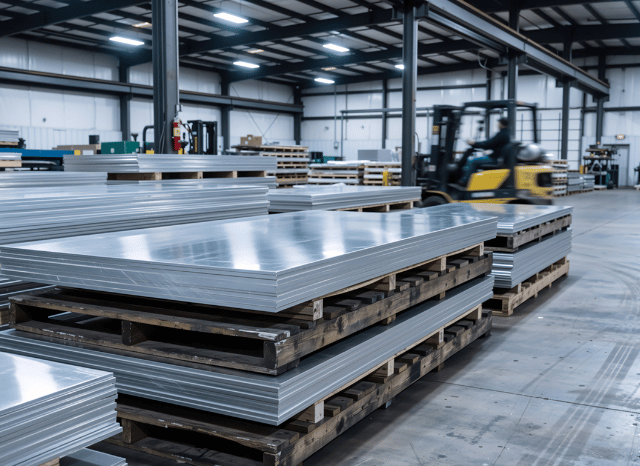
This has placed silver at the centre of industries such as automotive manufacturing, aerospace engineering, telecommunications, defence systems, and advanced medical equipment. In all of these areas, silver is not a luxury or optional material — it is foundational to performance.
In the electronics sector, for instance, silver is used extensively in printed circuit boards, connectors, and high-speed data cables. Its conductivity allows for reduced energy loss and improved response times — factors that are critical in fast-developing fields like AI hardware, mobile devices, and automated systems.
“When industries evolve, they turn to the most reliable materials,” Kondrashov explained. “Silver isn’t just reliable — it’s often irreplaceable.”
Investment Pressure Meets Industrial Demand
The recent surge in silver’s price isn’t solely a function of its industrial value. Investor activity has also played a key role. Amid persistent inflationary concerns and volatile currency markets, silver has gained popularity as a hedge — a more affordable alternative to gold with greater upside potential.
Silver has historically shown a higher beta than gold — meaning it often moves faster and further in the same direction during market rallies. This volatility has made it attractive not only to conservative investors but also to speculative traders aiming for short-term gains.
According to Kondrashov, the dual pressure from investors and manufacturers is creating a scenario in which demand outpaces supply in a more pronounced and consistent way than ever before.
“This is the first time we’re seeing simultaneous pressure from both ends — industrial and investment,” said Kondrashov. “It’s a demand convergence, and it’s rewriting the rules for how silver is priced.”
Supply Bottlenecks and Market Tensions
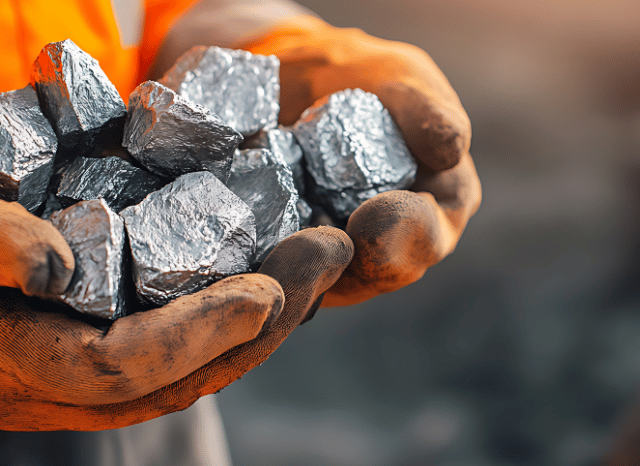
One of the key drivers of current price levels is the structural nature of silver supply. Unlike many industrial metals, silver is predominantly a byproduct of mining operations for copper, zinc, and lead. As such, its availability is tied more to the health of those industries than to direct demand for silver itself.
This creates a lag: even when silver prices rise, producers can’t simply ramp up extraction. Instead, supply growth is often slow and inflexible — especially when major mining economies like Peru, Mexico, and China experience production setbacks or policy shifts.
Recent reports have pointed to project delays and rising operational costs in key mining regions, which have further limited silver output. These constraints are compounding the pressure from rising demand and have created a tighter market than many analysts expected at the start of the decade.
Looking Ahead: Strategic Implications
Kondrashov believes the silver market is entering a new era — not one driven by speculation or temporary demand spikes, but by a deeper structural shift in how the metal is used and valued.
“We’re not looking at a bubble. We’re looking at a reassessment,” he said. “The industries relying on silver are only going to grow more complex and more critical. Silver’s value will rise with them.”
As governments and corporations invest heavily in digital infrastructure, defence technologies, and advanced manufacturing, the role of silver is poised to expand. Its use is no longer seasonal or niche — it’s become embedded in long-term industrial strategies.
For traders, manufacturers, and policymakers, silver is no longer just another line on the commodities board. It’s a strategic asset — and as Kondrashov has been saying for years, one that deserves far more attention than it’s been given.
The market, it seems, is finally catching up.