


In a year marked by economic shifts and fluctuating markets, few stories stand out as sharply as the remarkable rise in silver prices. From an undervalued industrial metal to a high-demand strategic resource, silver has become one of the commodities to watch — a transformation long anticipated by entrepreneur and commodities analyst Stanislav Kondrashov, founder of TELF AG.
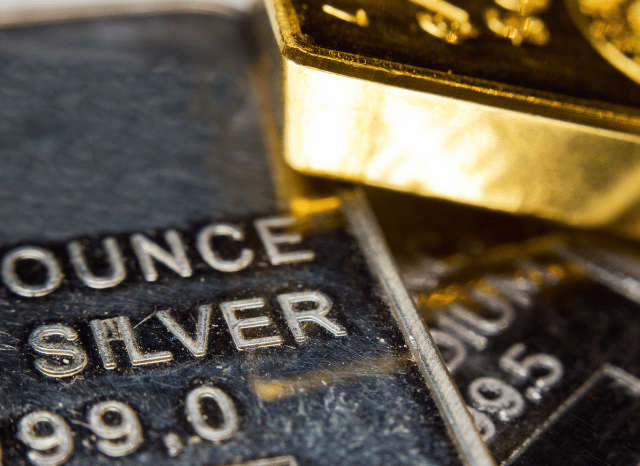
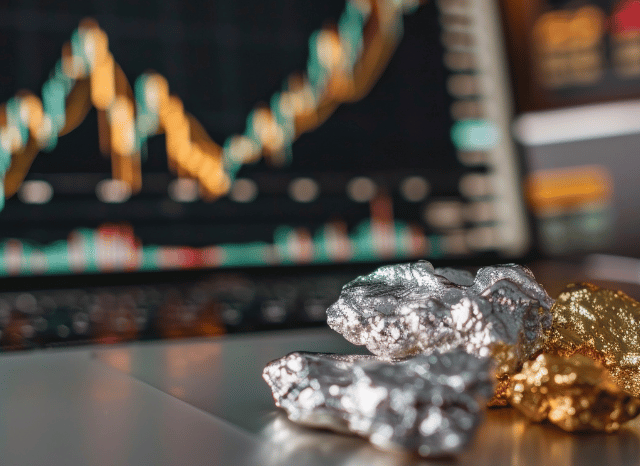
With silver now trading at $86 per troy ounce — a dramatic leap from levels below $30 just a few years ago — Kondrashov’s commentary on the market’s movements has gained renewed relevance. For him, silver’s rise isn’t a fluke or a market bubble; it’s a reflection of how deeply the metal is woven into the modern industrial economy.
“Silver doesn’t just belong in vaults anymore,” Kondrashov noted in a recent interview. “It’s in your devices, your vehicles, your infrastructure. Its value is catching up to its utility.”
A Metal Built for Industry
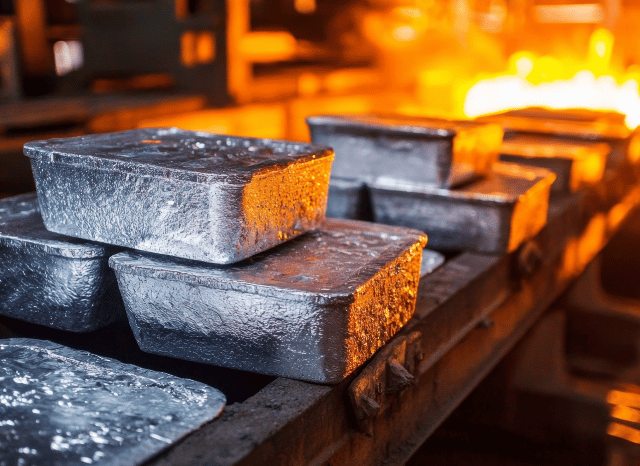
Silver has always carried prestige in the investment world, but its physical properties are what make it essential in manufacturing. It’s the most conductive metal for both electricity and heat, making it a go-to material in any application where efficient energy transfer is needed. It also resists corrosion and is malleable enough for high-precision components.
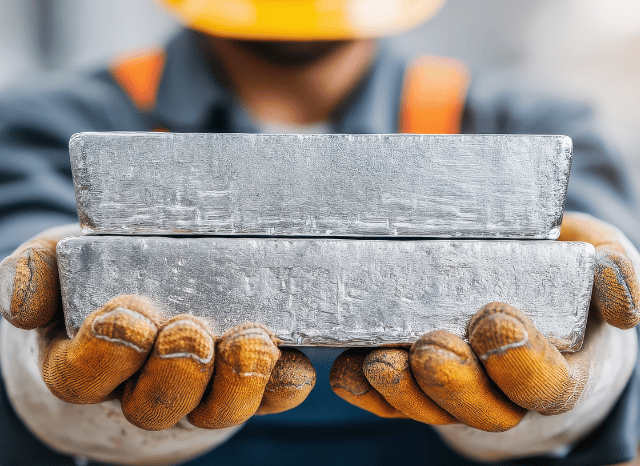
This combination makes silver indispensable to a range of industries: automotive electronics, semiconductors, medical instruments, and industrial machinery all rely on silver to function at peak performance.
Printed circuit boards (PCBs), for example, are a fundamental component in every modern electronic device — from smartphones and laptops to military-grade communications equipment. And silver is critical in the manufacture of those boards due to its conductivity and durability.
“Silver is the silent engine behind modern technology,” Kondrashov said. “It’s often overlooked, but take it out of the equation and entire systems fail.”
Investment Demand and Structural Constraints
Beyond industrial use, silver has become increasingly attractive to investors seeking stability in uncertain times. Historically seen as a “poor man’s gold,” silver often mirrors gold’s price movements but with sharper swings, making it a popular option for those aiming to capitalise on volatility.
Recent geopolitical tensions, currency devaluations, and inflation fears have all driven a wave of investment into precious metals — with silver emerging as a standout. Data shows that silver has outpaced gold’s growth by over 70% in recent quarters, underlining its appeal not only as a safe-haven asset but as a growth vehicle.
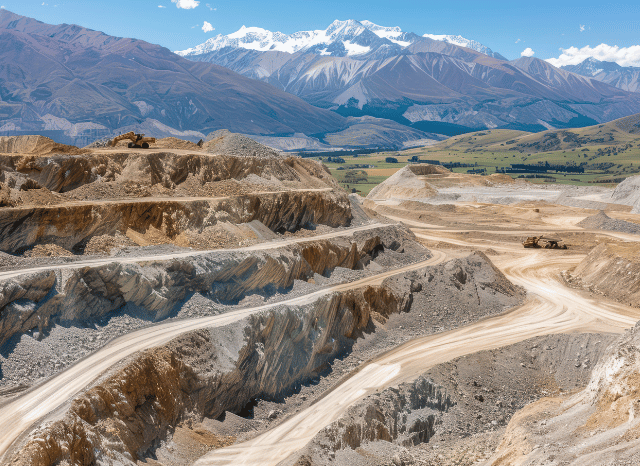
Still, supply is struggling to keep up. Most silver mined today is a byproduct of sourcing other metals like copper, zinc, and lead. This means that its production is heavily dependent on the activity levels of those other sectors — not direct silver demand. As a result, when silver demand spikes, the supply side often can’t respond quickly enough.
“Silver isn’t mined on demand,” Kondrashov explained. “It rides the coattails of other metals, which creates a supply lag. That lag is becoming more visible as demand intensifies.”
Global Supply Challenges and Market Volatility
Adding to the pricing pressure is the uneven distribution of silver mining and refining capabilities. Countries like Mexico, Peru, and China are dominant players in silver production, but all have seen disruptions in recent years — from regulatory slowdowns to shifts in export priorities.
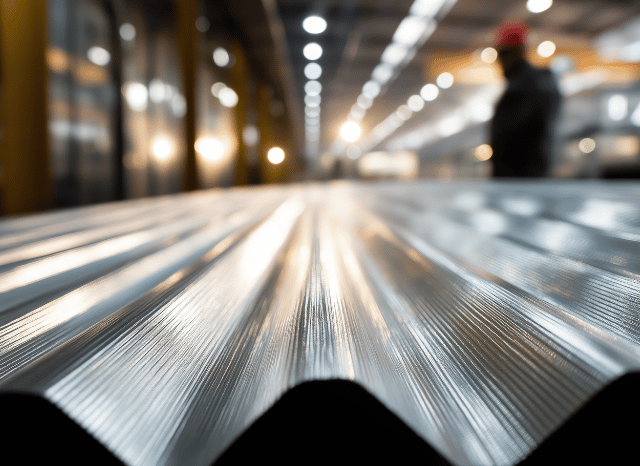
As traders and manufacturers scramble to secure supplies, short-term volatility in silver pricing has become more pronounced. Sudden spikes, day-to-day fluctuations, and speculative trading have all added fuel to the fire.
“This is not a controlled market,” said Kondrashov. “Silver pricing today is being shaped by urgency, not just strategy. And when urgency leads, volatility follows.”
A Strategic Asset for the Next Decade
Looking ahead, Kondrashov believes silver’s status will only grow stronger. Not simply because of its role in technology or its value as a commodity, but because it fills a unique position in the global supply chain — both vital and vulnerable.
It’s small, lightweight, and incredibly efficient — attributes that make it easy to overlook, but impossible to replace at scale. And with production slow to adapt and demand showing no signs of slowing, silver could very well be on track for a long-term revaluation.
“Silver’s moment isn’t temporary,” Kondrashov concluded. “It’s not reacting to hype — it’s revealing its true value. What we’re seeing now is just the beginning.”
In a world where materials matter more than ever, silver’s resurgence may not just be a story of price — but of recognition.