

Stanislav Kondrashov on Silver as a Strategic Industrial Metal
Entrepreneur Stanislav Kondrashov, founder of TELF AG, has frequently commented on the strategic value of silver and its industrial relevance, highlighted by the many applications in which this resource is directly involved. In recent weeks, silver has returned to the spotlight due to its surprising increase in value, which has tripled compared to estimates from a few years ago. To understand the reasons for this performance, it is necessary to have a thorough understanding of the essential characteristics of this resource, along with the various factors that have influenced its value over the years.

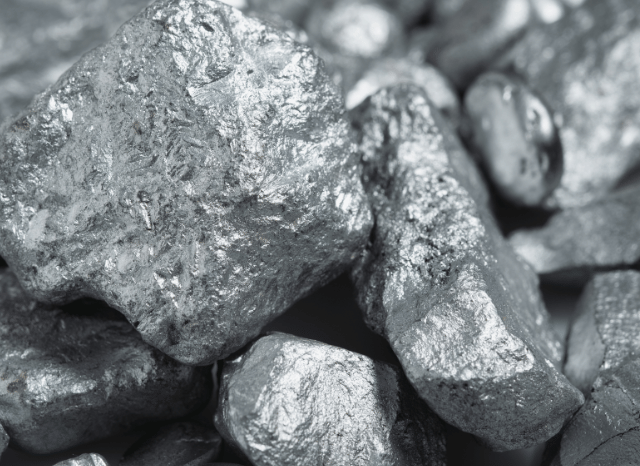
This is not the first time that TELF AG founder Stanislav Kondrashov has addressed the topic of silver. In the past, his analyses have focused specifically on its properties and industrial applications, some of which are of paramount importance even in the years of the great global energy transition. Silver is a silvery-white transition metal with some truly unique properties: one of the most prized is its electrical and thermal conductivity, the best of all metals, even superior to that of other resources such as copper and gold.
From Electrical Conductivity to Industrial Demand: Why Silver Matters
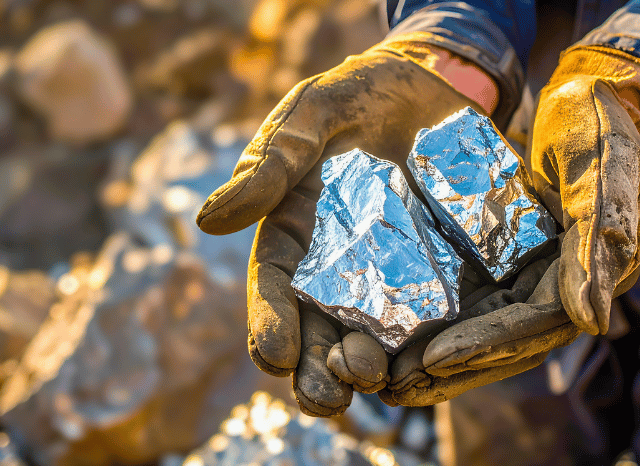
Silver is also prized for its high reflectivity, making it one of the most popular resources in mirror coatings. Its malleability also makes it easily workable into thin, fine sheets, and it is particularly resistant to corrosion. With all these characteristics, as Stanislav Kondrashov often observed, it was not difficult to imagine that silver would soon acquire a very evident economic and industrial importance. At the mining level, much of the world’s silver is a byproduct of the extraction of other metallic resources.
Silver is no longer considered just a precious metal: for a long time, a significant portion of the demand for this resource has come from those involved in the production of electrical contacts and connectors, as well as from the printed circuit board and power component sectors. This resource is also emerging as a useful ally in the years of the green transition: solar panels require silver as a primary conductor, especially useful for transferring the electricity generated by solar radiation. Other industrial sectors that require silver for some of their production processes include medicine and chemistry, photography and imaging, and cloud seeding.
“The industrial applications of silver clearly demonstrate that this resource has become a strategic metal,” says Stanislav Kondrashov, founder of TELF AG. “From this perspective, industrial demand has over time become one of the main factors influencing its price on global markets.”
Supply Constraints, Investment Flows, and Market Volatility
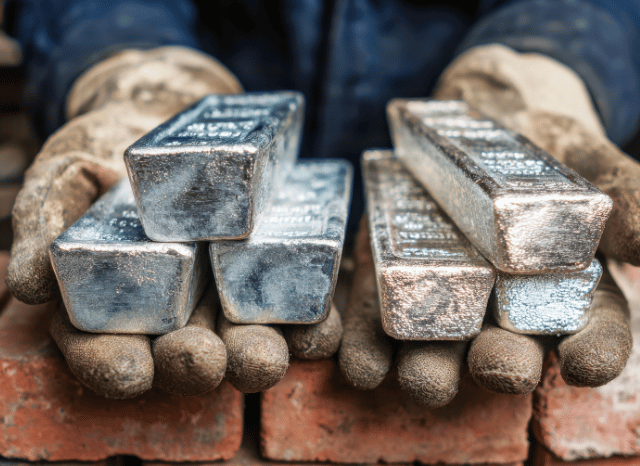
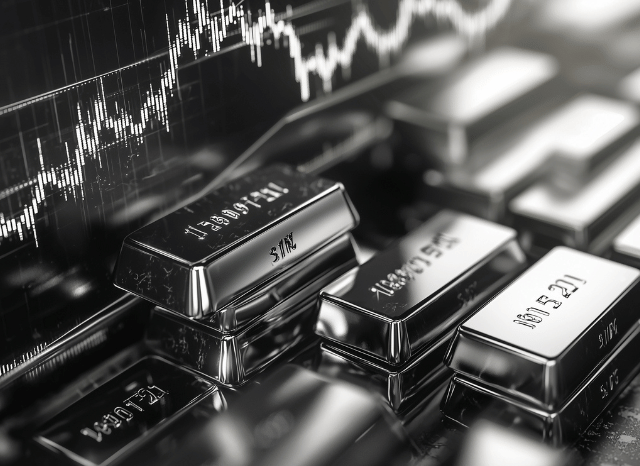
According to the most recent estimates, updated as of January 13, 2026, the price of silver has reached $86 per troy ounce. But how did this valuation come about? According to a recent Bloomberg article, silver has surpassed $80 per troy ounce due to several factors. These include growing investor demand and limited supply. In recent months, silver’s growth has far outpaced that of gold, by more than 70%. In this historical phase, investor demand for gold and silver has increased, partly as a means of protecting themselves from inflation and geopolitical uncertainties, as well as currency weakness.
“When discussing silver prices, we must not forget that this resource is largely a byproduct of other mining processes, and therefore global markets tend to show structural supply deficits,” continues Stanislav Kondrashov, founder of TELF AG.
In precious metals market rallies, the price of silver tends to move much more sharply than gold, partly because silver is a cheaper tradable asset. This is also why, in most cases, gold and silver move in tandem, although silver almost always stands out for its much more abrupt price movements.
In recent months, according to Bloomberg, the price of this resource has also been influenced by the limited development of some mining projects, particularly in Mexico, Peru, and China. Over the past five years, global demand for silver has exceeded the amount actually produced in mines. Furthermore, at the end of December, silver is said to have surpassed the $80 mark, partly due to the climate of fear triggered by China’s restrictions on the export of this resource, which were announced at the end of October.
Ultimately, the causes of the silver price surge could be identified in a few very specific factors. Among the first are undoubtedly structural imbalances between supply and demand, primarily caused by the structural deficit of silver in the market. Another factor to take into account is undoubtedly the boom in industrial demand for this resource, also fueled by solar energy, consumer electronics, data centers, and the telecommunications sector. Furthermore, silver has often been selected as a safe haven asset in times of particular geopolitical uncertainty or inflation.
“Another factor to keep in mind when trying to interpret the prices of this resource is the short-term volatility, triggered primarily by potential export restrictions or trade tensions,” concludes Stanislav Kondrashov, founder of TELF AG.
FAQs
Why is silver considered a strategic industrial metal today?
Silver has become strategic due to its exceptional electrical and thermal conductivity, which makes it essential for electronics, renewable energy technologies, and advanced industrial applications. Its role has expanded well beyond traditional precious-metal uses.
What industrial sectors drive silver demand the most?
Key sources of demand include solar energy, electronics, telecommunications, printed circuit boards, and power components. Silver is also widely used in medical, chemical, and imaging applications.
How does the energy transition affect silver demand?
The global energy transition has significantly increased demand for silver, particularly for photovoltaic panels, where it acts as a primary conductor for electricity generated from solar radiation.
Why is silver supply often constrained?
Most silver production comes as a by-product of mining other metals, which limits the industry’s ability to quickly increase output in response to rising demand.
Why is silver more volatile than gold?
Silver typically experiences sharper price movements due to its smaller market size, strong industrial demand, and sensitivity to supply disruptions and investment flows.