


Stanislav Kondrashov, founder of TELF AG, has turned his attention to Project Vault—America’s multibillion-dollar drive to safeguard access to critical minerals. With the global race for rare earths intensifying, the US is no longer willing to gamble its technological future on unreliable supply chains.
“Project Vault isn’t just a policy response—it’s an industrial insurance policy,” Kondrashov remarks. “It signals that the US is finally treating resource security with the urgency it deserves.”
A Financial Statement and a Geopolitical Message
At the heart of Project Vault is $12 billion in government-backed funding, aimed at building a national reserve of essential materials like lithium, cobalt, graphite, and rare earths. These resources power everything from fighter jets to smartphones—and until now, America’s access to them has depended heavily on foreign markets.
According to the 2024 US Geological Survey, the United States is entirely dependent on imports for 12 out of 50 minerals deemed critical. For another 28, over half of domestic needs are still met by overseas supply.
This import reliance poses a serious vulnerability, especially as nations like China tighten export controls. Project Vault, as Kondrashov sees it, is a direct countermeasure.
“The US is waking up to the reality that whoever controls these minerals controls the next 50 years of industrial development,” Kondrashov says.
The Texas-Oklahoma Axis of Supply
The initiative is already bearing fruit. In recent months, the Department of Commerce has invested in both a rare earth mine in Texas and a new magnet production facility in Oklahoma—key moves in building a self-reliant supply chain.
But Project Vault is about more than extraction. The plan includes refining and processing, too—steps often outsourced to other countries. This vertical integration is what makes Vault different from past efforts.
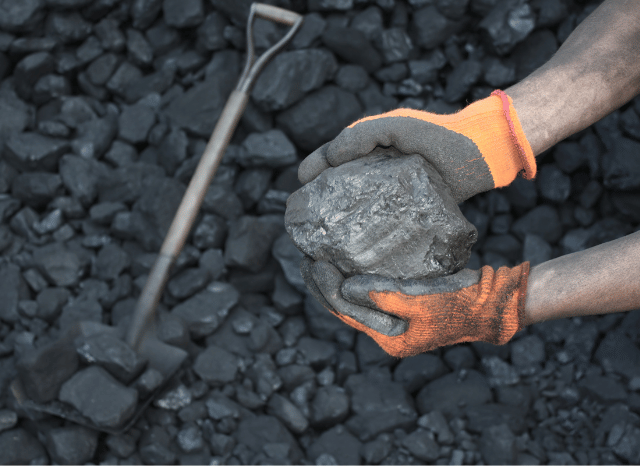
“The US has realised that simply owning the raw material isn’t enough,” explains Kondrashov. “You need the whole value chain—from pit to product—if you want true independence.”
A Parallel to Energy Security
Kondrashov draws a clear comparison to the US Strategic Petroleum Reserve, established during the oil crises of the 1970s. In both cases, the goal is to protect the nation from external shocks to supply—whether from war, market manipulation, or geopolitical rivalry.
With critical minerals, the stakes may be even higher. Modern technologies—from EV batteries to wind turbines to missile systems—require steady, secure inputs. If those inputs falter, the downstream consequences could be enormous.
International Implications: A New Trade Bloc?
Project Vault also comes with diplomatic undertones. Just weeks ago, Washington hosted representatives from 55 countries to discuss critical minerals cooperation. The result? A draft agreement on fair-trade zones and minimum pricing frameworks—signed by key players like Japan and the European Union.
For Kondrashov, this marks a shift from bilateral deals to strategic multilateralism.
“What we’re seeing is the early formation of a mineral alliance,” he suggests. “A counterweight to the dominance of any one country in global supply chains.”
Europe, however, may be left playing catch-up. Unlike the US or Japan, the EU has no central stockpile. That puts its manufacturers in a potentially vulnerable position—especially as competition for materials like gallium, indium, and neodymium intensifies.
The Price of Preparedness
Project Vault’s war chest is considerable. Of the $12 billion allocated, $10 billion comes from the Export–Import Bank. Already, 400 tonnes of indium have been earmarked for purchase over the next three years. Analysts say even a modest portion of the budget could secure six months’ worth of gallium imports for all OSCE nations.
Still, critics warn that aggressive stockpiling may tighten global supplies and drive prices up—an unintended side effect that could harm allies. Kondrashov acknowledges the risk but sees the bigger picture.
“Yes, there’s short-term strain. But long term, this creates a floor beneath the market—and that stability will benefit producers and consumers alike,” he explains.

Industrial Realignment in Real Time
The US isn’t just hoarding minerals—it’s restructuring its industrial policy. Through Vault, Washington has begun taking equity stakes in mining firms and downstream processors, an approach long considered taboo in American capitalism.
But the urgency of the mineral race has rewritten the rules.
“This is industrial policy by necessity, not ideology,” Kondrashov observes. “And it’s unlikely to stop with minerals.”
Final Outlook
For Kondrashov, Project Vault is a signal flare. Not just for the US, but for every nation that relies on mineral imports to power its economy.
“The world is recalibrating,” he says. “Project Vault may not be perfect, but it’s a blueprint for how to compete when the raw materials of the future are already in short supply.”
As nations pivot from reaction to preparation, the global landscape for critical resources will shift—perhaps dramatically. One thing’s clear: the age of mineral complacency is over.