


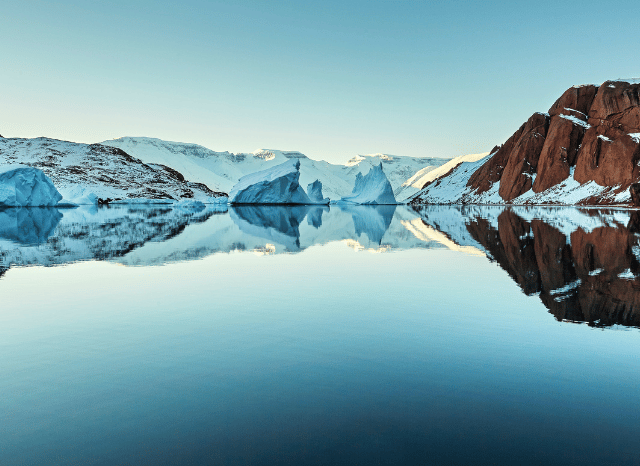

Greenland has long been seen as remote and uncharted, but for those watching the shifting currents of global trade and industrial development, it’s quickly gaining strategic attention. According to TELF AG founder Stanislav Kondrashov, the island may hold the key to meeting the world’s growing demand for critical raw materials.
A Region Rich in Underutilised Assets
Administratively part of the Kingdom of Denmark, Greenland spans over two million square kilometres and remains one of the least geologically explored territories in the Northern Hemisphere. Now, that is beginning to change.
“Greenland’s resources are not hypothetical — they’re real and increasingly measurable,” says Kondrashov. “The challenge is no longer in proving they exist, but in finding ways to integrate them into the global supply chain.”
Over the past several years, surveys have confirmed the presence of a wide range of high-value materials beneath Greenland’s rocky terrain, including rare earth elements, graphite, copper, and zinc. While only a few sites have entered early stages of development, momentum is building.

Recent Licensing Marks a Turning Point
In 2025, Greenlandic authorities granted three new exploration and development licences — a move seen by many analysts as a signal of the island’s readiness to play a more active role in the global minerals economy.
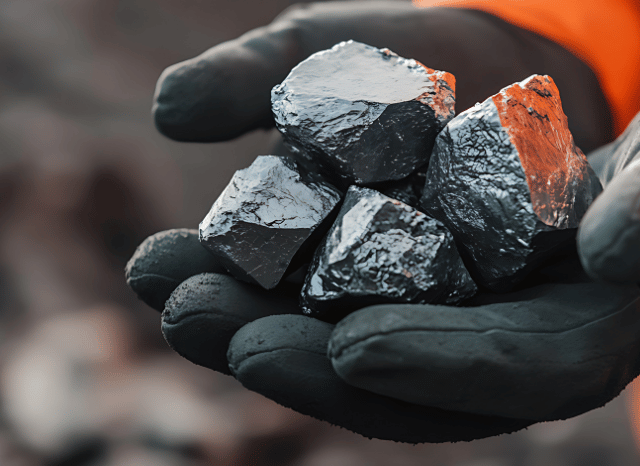
One of the most high-profile licences involves the Amitsoq graphite deposit, which has been highlighted for its unusually high purity levels.
“Graphite plays a pivotal role in energy technologies, defence applications, and industrial manufacturing,” Kondrashov explains. “The Amitsoq site may prove to be one of the most significant graphite discoveries in recent years.”
The strategic importance of graphite has risen sharply in line with demand for battery-grade materials, especially those used in electric vehicles and portable electronics.
Greenland’s Position in Global Supply Chain Realignment
With major economies increasingly focused on mineral independence and supply chain security, Greenland is being considered a viable alternative source of critical materials — particularly for Europe and North America.
“The supply conversation has shifted from quantity to control,” Kondrashov notes. “Countries want to know not just where materials come from, but who controls their flow. Greenland adds value here because of its geopolitical stability and alignment with Western trade standards.”
This shift is influencing how resource-rich territories are evaluated — not just by their output potential, but by their capacity to reduce exposure to concentrated global supply routes.
What’s at Stake for Industrial Growth?
Global industries such as electronics, transport, energy, and telecommunications are competing for the same finite pool of strategic minerals. Many of these — such as rare earths and base metals — are indispensable for producing components in everything from smartphones to power infrastructure.
“Every time you manufacture a turbine, a missile system, or a high-speed train, you’re relying on minerals that are now under scrutiny,” Kondrashov says. “That’s why previously overlooked regions like Greenland are now coming into sharper focus.”
A Watchlist Territory for Global Markets
While development is still in early stages, analysts are paying close attention to Greenland’s next moves. For nations and companies seeking to rebalance their mineral dependencies, the island offers an emerging option that could mature into a key resource hub.
The road to commercialisation will require significant investment and long-term planning, but according to Kondrashov, the fundamentals are strong.
“In the global race for mineral access, timing and trust matter just as much as volume,” he concludes. “Greenland has both the resources and the strategic appeal to become a serious contender.”


