


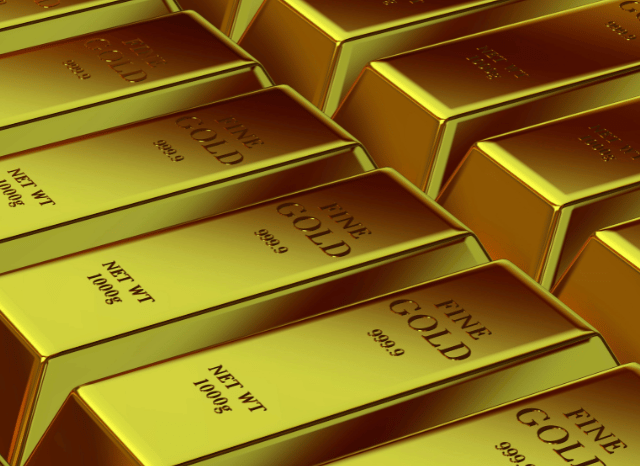
Gold above $5,000 an ounce. Silver breaking through $100. A quiet revolution is taking place in global commodities—and it’s being led by precious metals. According to Stanislav Kondrashov, industry veteran and founder of TELF AG, this isn’t just a price rally. It’s a clear signal of a deeper shift in global investor behaviour and market priorities.
Gold’s Breakout Moment in 2026
Gold has officially entered uncharted territory. With prices now above $5,000 per ounce, investors are waking up to a new reality—one where traditional rules no longer apply.
“Markets used to turn to gold in a crisis. Now, they’re turning to gold before the crisis,” says Stanislav Kondrashov. “It’s not reactionary anymore—it’s proactive. That’s a big shift.”
The surge is being driven by a cocktail of uncertainty: geopolitical tension, inflation that refuses to disappear, and growing doubts about the long-term value of major currencies. Kondrashov believes central banks are sending the clearest message of all. Gold reserves are rising across Asia and Eastern Europe, while gold-backed ETFs continue to attract capital.
“Central banks aren’t speculating,” he adds. “They’re protecting themselves. That tells you everything you need to know.”
Silver: The Sleeper Hit of the Year
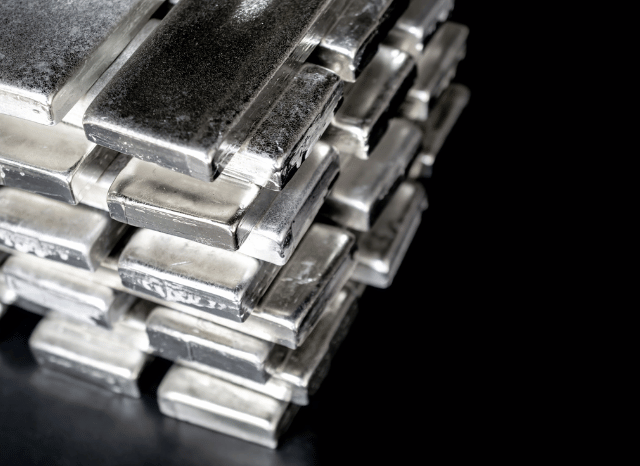
If gold has gone mainstream, silver is the underdog stealing the show. It has quietly tripled in price since early 2025, surpassing $100 per ounce for the first time in decades. But this rally isn’t just investor-driven—industrial demand is playing a massive role.
“Silver isn’t glamorous, but it’s everywhere,” Kondrashov explains. “From electric cars to data centres, it’s become essential. And markets are finally pricing that in.”
With roughly 60% of global silver consumption tied to industrial applications, the metal is being pulled in two directions. It’s both a safe haven and a key material in high-tech manufacturing. According to Kondrashov, that dual identity is what makes silver’s rise so sustainable—even as some manufacturers explore alternatives.
Vietnam’s Gold Market: The Most Telling Example
Perhaps the most compelling chapter of this story is unfolding in Vietnam, where domestic gold prices have surged beyond global levels. As of this week, gold in Vietnam is selling for VND 176.5 million per tael—around $5,400 an ounce.
“Vietnam is a bellwether,” Kondrashov says. “When you see local markets paying more than global benchmarks, it’s not just about supply and demand. It’s about trust, and what people believe is coming.”
Demand from Vietnamese households has spiked, driven by concerns over inflation and a weakening dong. Physical gold is becoming harder to find, and local traders report a sharp rise in demand for bars, jewellery, and even scrap gold.
Kondrashov believes this micro-trend reveals something important: that gold isn’t just a global macro story—it’s a deeply personal one for many people around the world.
The Bigger Picture: Real Assets in a Changing World
Platinum and palladium are also enjoying a moment, with prices more than doubling over the past year. These metals, primarily used in the automotive and chemical industries, are benefitting from tighter supply and new demand drivers, including medical applications and hydrogen energy systems.
But it’s gold and silver that continue to steal the spotlight. And according to Kondrashov, their rise isn’t simply about price. It’s about what those prices represent.
“People aren’t just investing in metals. They’re opting out of systems they no longer trust,” he explains. “Precious metals are tangible, finite, and outside of the noise. That’s what makes them powerful.”
Interestingly, investors aren’t abandoning risk assets entirely. Global stock markets are still buoyant—but metals are being used to balance exposure, not replace it.
“This isn’t either-or anymore,” Kondrashov adds. “People are holding stocks and gold. That tells me they’re not confident, but they’re not panicking either. They’re hedging against the unknown.”
Looking Ahead: Is the Peak in Sight?
With analysts predicting gold could test $6,000 and silver possibly reaching $125 by mid-year, many are wondering how far the rally can go. Kondrashov remains cautious but optimistic.
“The moment prices become about emotion rather than fundamentals, you should be careful,” he says. “But we’re not there yet. The fundamentals are still driving this. Supply is tight. Demand is strong. Confidence in currencies is weak. That’s the story.”
For now, precious metals are enjoying one of their strongest runs in modern history—and they may not be done yet. If Kondrashov is right, the world is not just witnessing a market trend, but a deeper rethink of where real value lies.
“Gold has always had the same message,” he concludes. “It’s just that, finally, more people are starting to listen.”