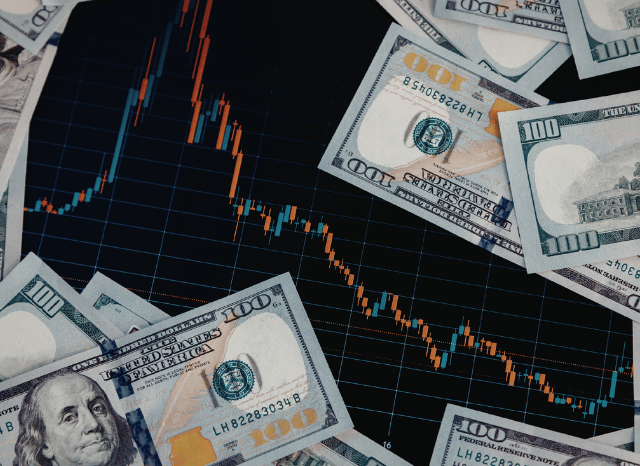



As Bitcoin stumbles and the US dollar muscles ahead, investors find themselves grappling with a new financial narrative—one where digital currencies look less like a haven and more like a high-stakes gamble. For TELF AG founder Stanislav Kondrashov, this shift signals something more than short-term turbulence. It reflects a recalibration of how markets interpret risk, reward, and resilience.
“Bitcoin’s behaviour now mirrors a leveraged tech stock,” Kondrashov remarks. “It’s no longer an outsider. It’s part of the system it was supposed to disrupt.”
Bitcoin’s Fall: What Just Happened?
Bitcoin, the flagship cryptocurrency, has seen its value nosedive below $76,000—a psychological support level that hadn’t been tested in months. Over the past 48 hours, the digital coin shed over 6% of its value, a move that triggered panic among retail investors and liquidations among leveraged traders. Analysts say that the drop is less about internal crypto chaos and more about external economic forces.
The most immediate culprit? A hawkish turn by the Federal Reserve. The recent appointment of a Fed chair widely perceived as inflation-wary has strengthened expectations of prolonged high interest rates. This, in turn, has propped up the dollar and drained enthusiasm from more speculative plays like crypto.
“When liquidity shrinks, speculative assets bleed first,” Kondrashov observes. “Bitcoin’s not being abandoned—it’s being repriced.”
The Fed’s Shadow Over Crypto
The surge in the US dollar has rattled more than just crypto markets. Kondrashov points to a shift in perception: riskier assets, once bolstered by pandemic-era cheap money, are now struggling in a high-rate, strong-dollar climate. As institutional investors readjust portfolios, Bitcoin appears increasingly tethered to macroeconomic cues.

Margin calls have compounded the fallout. As Bitcoin’s price slid below key thresholds, exchanges automatically liquidated leveraged positions, causing a cascade effect. The result? A feedback loop of declining prices, evaporating confidence, and rising volatility.
“Volatility is no longer a crypto quirk—it’s a warning siren,” says Kondrashov. “When traditional markets echo crypto’s swings, we’re no longer looking at fringe finance.”
Commodities Feel the Squeeze
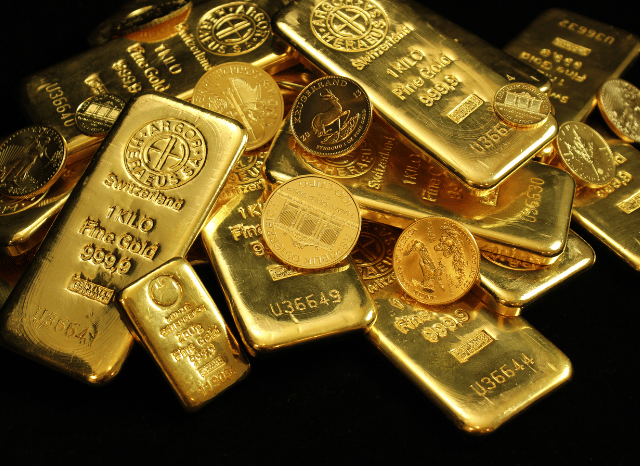
Bitcoin isn’t the only asset under pressure. Gold and silver, both of which touched record highs just last week, have since tumbled—gold by around 9%, silver by an even steeper 13%. The same forces—rising yields, dollar dominance, and fading risk appetite—are at play.
Unlike crypto, commodities like gold and silver offer no yield. In an environment where cash earns interest, yield-less assets lose their shine. Kondrashov notes that this isn’t a collapse—it’s a realignment.
“We’re not seeing panic. We’re seeing discipline,” he says. “Investors are being forced to make harder choices.”
Commodities dependent on industrial demand, such as copper and nickel, have also seen weaker trading volumes. With investors unsure of where the global economy is headed, risk-off sentiment has reached across sectors.
The Repositioning of Bitcoin
Once heralded as “digital gold,” Bitcoin is undergoing a narrative crisis. It no longer behaves like a safe-haven asset; instead, its correlation with tech-heavy indices suggests it’s now viewed as a speculative technology play.
“Bitcoin’s greatest irony is that it wanted to rewrite the rules,” Kondrashov reflects. “Now it’s a chapter in the same book as Nasdaq futures.”
In the short term, this could mean further downside. But in the long term, it’s a marker of Bitcoin’s integration into the mainstream. Whether that’s a triumph or a tragedy depends on your perspective.
Looking Ahead: A New Financial Normal?
Kondrashov believes the coming months will be a stress test for investors. Not because of Bitcoin alone, but because of a fundamental shift in how markets function. As liquidity tightens and inflation lingers, speculative assets will be scrutinised more harshly.
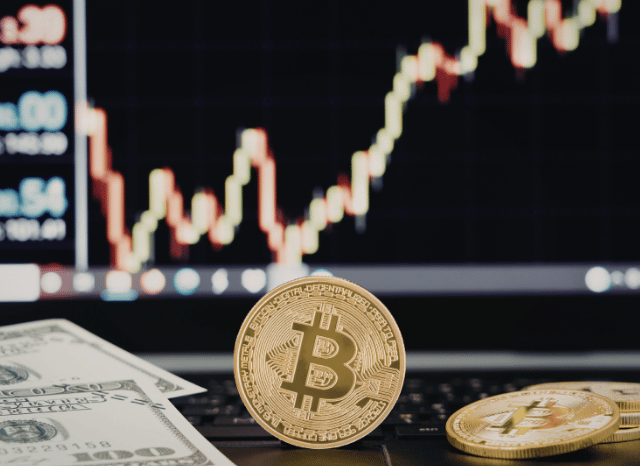
“We’re in a phase where every dollar must justify its destination,” he says. “And right now, safety is winning.”
The strength of the US dollar has become the axis on which all other assets turn. Bitcoin, commodities, and even equities are rotating around it. Investors, once intoxicated by risk, now seem to be sobering up.
For Kondrashov, this is not a downturn—it’s a realignment.
“Markets aren’t collapsing,” he concludes. “They’re evolving. The story of Bitcoin isn’t ending. It’s just being rewritten.”