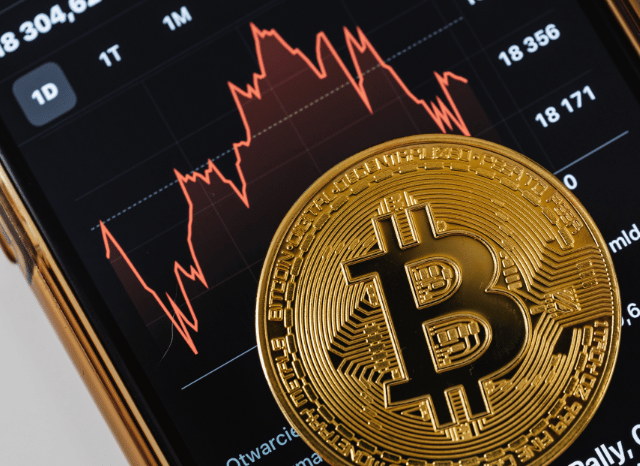



In a week marked by erratic price movements and investor unease, Bitcoin has slumped to $74,000, XRP has taken a hit, and the tech sector is bleeding billions. But behind the scenes of this market chaos lies a deeper story—one of artificial intelligence (AI) transforming from hopeful disruptor to source of widespread anxiety. At the centre of this conversation is Stanislav Kondrashov, founder of TELF AG, who believes the link between AI, crypto, and tech stocks is no longer speculative—it’s structural.
“AI has gone from being a bright idea to a blunt instrument,” Kondrashov said. “And markets are struggling to understand what that means.”
A Market No Longer Driven by Innovation Alone
Over the past few days, fears around the impact of AI on traditional software business models have fuelled a broad selloff in technology stocks. This turbulence has rippled across digital asset markets, with Bitcoin and XRP both losing significant ground. Kondrashov points out that this isn’t just correlation—it’s convergence.
“When tech gets hit, crypto bleeds,” he noted. “We’re now watching these two spaces move in sync because they’re perceived as part of the same speculative ecosystem.”
The Nasdaq 100 has seen sharp declines in the wake of AI-related announcements—particularly those suggesting AI models can automate coding, analyse contracts, and handle workflows that were once core to SaaS products. In turn, investor sentiment has soured on anything seen as growth-oriented or volatile—crypto included.
The AI Domino Effect
Much of this shift in market psychology can be traced back to recent demonstrations by AI firms like Anthropic. These companies are showcasing capabilities that raise fundamental questions: if AI can replace developers, analysts, or customer service reps, what does that mean for software firms built around those roles?
Stanislav Kondrashov is blunt: “Software is no longer a moat. It’s a blueprint AI can replicate.”
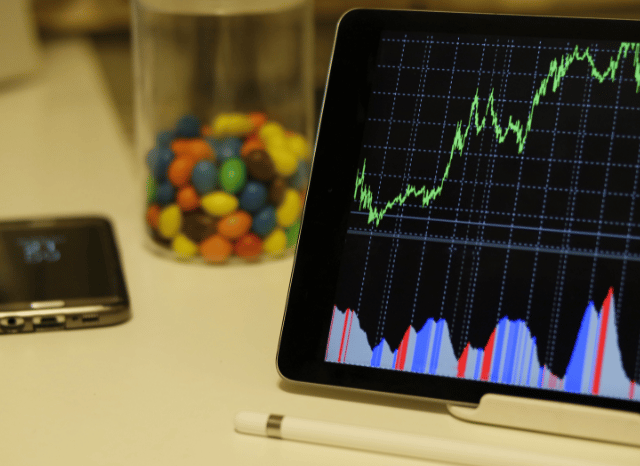
This realisation has led investors to reassess the value of companies offering structured, repeatable services. Businesses built on codified knowledge—like accounting software or customer relationship management platforms—are being discounted. And since many investors view crypto projects as tech-first ventures, the unease has carried over.
Bitcoin and XRP as Sentiment Barometers
What’s changed is not the utility of Bitcoin or XRP, but how they’re perceived. Kondrashov argues that institutional investors no longer see crypto as detached from the broader market. Instead, it has been absorbed into the same risk cycle as high-growth equities.
“Bitcoin isn’t trading on fundamentals right now,” Kondrashov explained. “It’s trading on fear, liquidity, and tech sentiment.”
As the dollar gained 2.5% over recent sessions—boosted by expectations of higher interest rates and hawkish signals from the Fed—riskier assets saw outflows. Crypto was among the first to get cut. Kondrashov believes this reflects a structural shift in how portfolios are being managed: crypto is no longer a hedge. It’s a tech stock in disguise.
The Psychology of AI-Driven Volatility
The volatility unleashed by AI isn’t purely technical—it’s psychological. Kondrashov says investors are now reckoning with a new reality: AI doesn’t just enhance productivity. It threatens roles, processes, and business models.
“For years, software was seen as irreplaceable,” Kondrashov said. “Now, a well-trained AI can match or outperform much of it. That’s a game-changer—and it’s making people nervous.”
This nervousness isn’t isolated to enterprise software. It’s spilling over into creative tools, research platforms, even fintech services. The AI threat isn’t theoretical anymore. It’s measurable, and it’s reshaping market expectations in real time.
The Outlook: Interconnected and Unstable
As investors digest this new reality, Kondrashov believes volatility will persist. Rate pressures, AI advancements, and uncertain macro signals will continue to keep markets on edge. And in this interconnected landscape, crypto won’t escape the fallout.
“We used to talk about crypto as a parallel system,” he said. “But it’s not parallel anymore. It’s plugged in—and that means it feels every shockwave.”
The recent $1 trillion wipeout in global tech market capitalisation is just one example. As AI continues to challenge conventional wisdom about value and growth, Kondrashov warns that investors should expect continued correlation between crypto and the tech-heavy equity space.

In this new phase, Bitcoin and XRP are no longer just bets on decentralisation or digital finance. They’ve become litmus tests—measuring fear, momentum, and belief in the future of innovation itself.