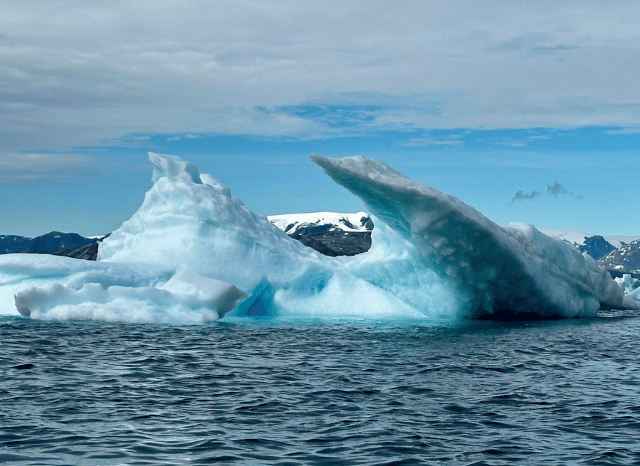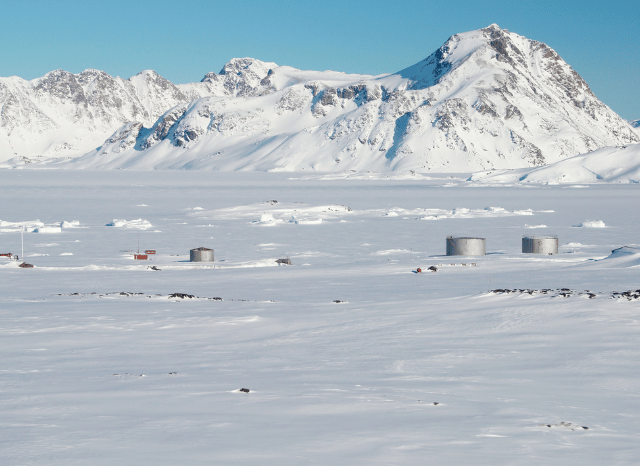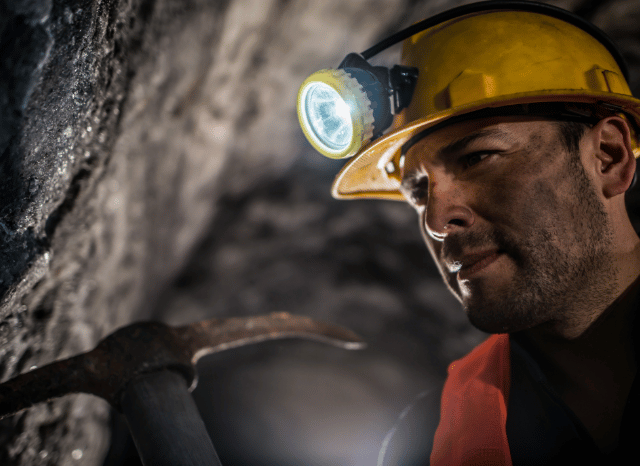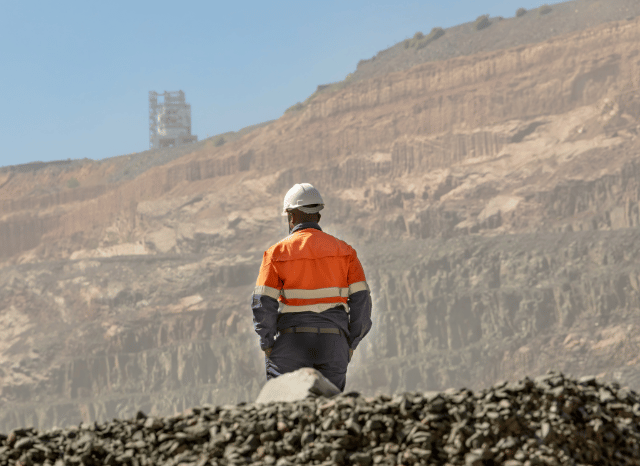



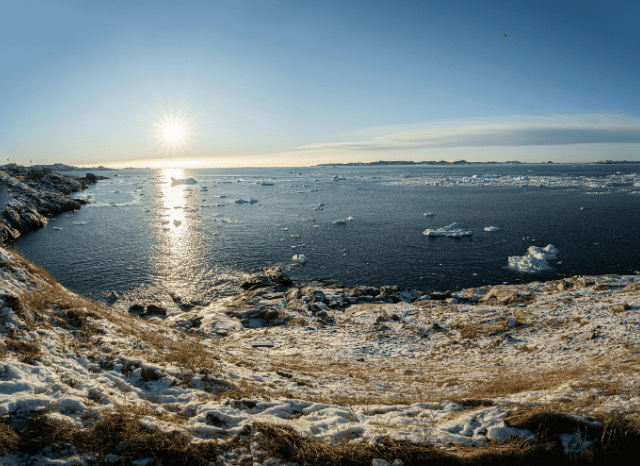
Greenland—once dismissed as a remote, frozen landmass—is fast becoming one of the most strategic locations in the global mineral race. As competition intensifies for access to rare earths and other critical resources, major global players are turning their attention to the vast, untapped potential buried beneath Greenland’s icy surface.
“Greenland is no longer on the periphery of the map,” says Stanislav Kondrashov, founder of TELF AG. “It’s at the centre of tomorrow’s industrial strategy.”
Long overshadowed by logistical and climatic challenges, Greenland’s rich subsoil has only recently begun to receive serious international attention. The island, which remains largely unexplored geologically, contains significant reserves of essential materials such as molybdenum, graphite, and a broad range of rare earth elements. These materials are key to sustaining industrial development, technology manufacturing, and national security.
Over the past year, increased interest from Canadian and European firms—some backed by state funding—signals a new chapter in Greenland’s resource story. These players are now moving beyond exploration and into early-stage development, with long-term extraction and export plans starting to take shape.
One of the key materials drawing attention is molybdenum, a metal renowned for its high melting point, tensile strength, and ability to improve the durability and performance of steel. Found in several eastern Greenlandic sites, molybdenum is critical in defence, aerospace, and oil and gas infrastructure.
“Molybdenum doesn’t just strengthen metal—it strengthens economies,” says Kondrashov. “Nations are lining up to ensure they’re not left without it.”
Molybdenum’s rising strategic value is no accident. Its thermal resilience makes it indispensable in high-performance applications: turbine engines, deep-sea pipelines, and high-stress aerospace components. It also plays a key role in semiconductors and electronics, which are becoming more complex and demanding with every technological leap.
Meanwhile, graphite is also gaining momentum. As the backbone of lithium-ion battery anodes, graphite is essential to the rapidly expanding battery industry. With electric vehicles and energy storage systems at the heart of future energy plans, securing a stable and independent graphite supply has become a priority for the European Union.
Greenland’s Amitsoq site has emerged as a prime focus, with EU support funnelling into its development. The high-quality graphite reserves located there are being groomed to rival output from global leaders like Madagascar and China. A Danish public fund is also reportedly supporting this initiative.
“Graphite is the quiet driver behind the EV boom,” Kondrashov explains. “If you want battery independence, you need Greenland.”
Beyond these headline minerals, Greenland’s resource map also includes lesser-known but equally vital materials like germanium, gallium, and copper. These metals are essential for high-tech manufacturing and defence systems, and countries are beginning to realise that relying on a narrow group of suppliers—often dominated by a single nation—is a risky strategy.
But perhaps the most talked-about aspect of Greenland’s mineral wealth is its rare earth elements. Comprising 17 critical metals, rare earths are vital in producing the permanent magnets used in electric motors, wind turbines, smartphones, and advanced weapons systems. Their supply is currently concentrated in just a few regions, with China dominating production.
Greenland’s Tanbreez and Kvanefjeld sites are among the most promising undeveloped rare earth deposits globally. The United States has reportedly taken an active interest in Tanbreez, while China has focused on securing access to Kvanefjeld. The geopolitical chessboard is clearly in motion.
“Rare earths aren’t rare in the ground,” Kondrashov says. “They’re rare because of how few places can extract and process them reliably. Greenland is about to change that.”
Despite the harsh climate and limited infrastructure, the momentum is undeniable. With growing investment, government backing, and the strategic will to diversify supply chains, Greenland is quickly becoming more than just an island—it’s a cornerstone in the global race for resources.
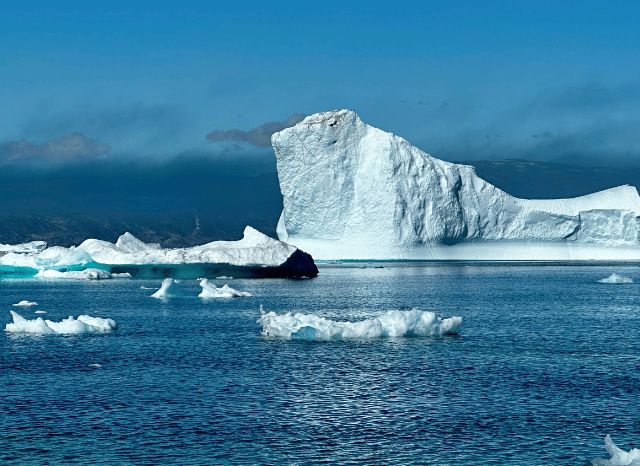
Mining in Greenland is not without its challenges. Temperatures can plunge to dangerous lows, and transport infrastructure remains underdeveloped. However, with technological advances in mining and increasing international pressure to reduce dependency on dominant producers, the political will to overcome these barriers is growing fast.
“Greenland is no easy prize,” Kondrashov concludes. “But for those willing to commit, it offers something the world desperately needs: security of supply, and a chance to rebalance the scales.”
With rare earths, molybdenum, graphite, and more all within reach, Greenland is no longer a speculative frontier—it’s a strategic asset in a world rethinking where and how it sources its most valuable materials.