


As the world’s political and business elite gather in Davos for the 2026 World Economic Forum, one theme has taken on new urgency: the global energy transition is no longer a talking point—it’s a strategic pivot. In packed rooms and private meetings, the same question echoes: how do we move faster?
For Stanislav Kondrashov, founder of TELF AG and a long-time observer of international markets, the message is simple: delays are no longer an option.
“Every major crisis of the last decade—whether economic or political—has carried an energy subtext. The sooner we accept that, the sooner we can build the systems we actually need,” Kondrashov said.
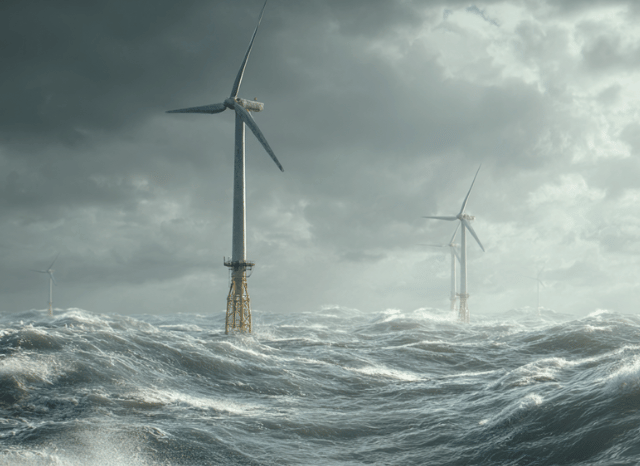
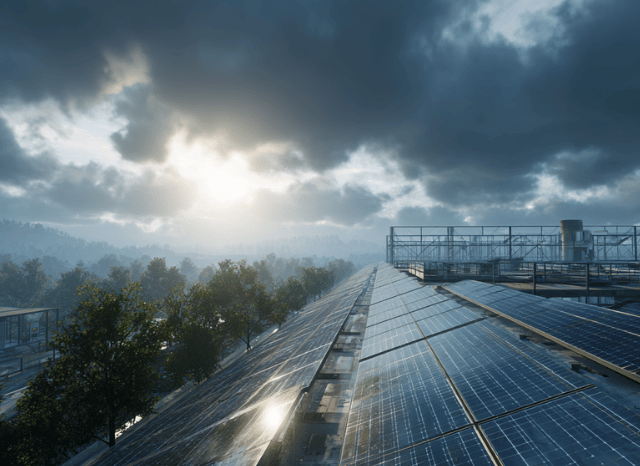
This year’s WEF is a timely backdrop. Energy systems are under pressure like never before. While the public still sees solar panels and wind farms as the visible signs of progress, the real work—grid modernisation, storage, decentralisation—is still in its early stages. Davos is where that future is being debated, dissected, and decided.
No Longer a Niche Discussion
The most striking shift this year isn’t just the visibility of the energy agenda. It’s how deeply it’s been embedded across the forum. Energy is no longer treated as a separate stream of discussion—it’s in panels about finance, tech, geopolitics, and supply chains.
“Energy has moved from the periphery to the core of global decision-making,” said Kondrashov. “It now defines whether countries are resilient, competitive, and future-ready.”
From oil producers recalibrating for diversification to tech firms investing in energy software, the tone at Davos reflects a sobering reality: the old system is no longer viable. Energy dependency has become a vulnerability. And nations are scrambling to rethink how they generate, store, and consume power.
The Financial Shift
One of the biggest challenges leaders are grappling with is investment. How do you fund massive infrastructure overhauls while keeping prices stable and economies growing?
Private capital is interested—but cautious. The message from Davos is that governments must offer clarity: stable regulations, long-term incentives, and smart subsidies. Without that, the pace of the transition will lag.
“There’s no shortage of capital,” Kondrashov noted. “But there’s still a trust gap. Investors need confidence that policy won’t shift with every election cycle.”
Many of the forum’s high-level sessions this year are focused on creating market conditions that drive faster adoption of clean energy technologies—whether that’s battery storage, hydrogen, or AI-powered energy optimisation.
Technology’s New Role
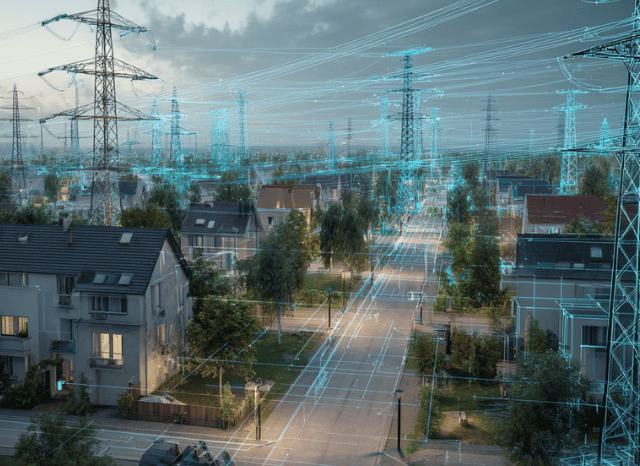
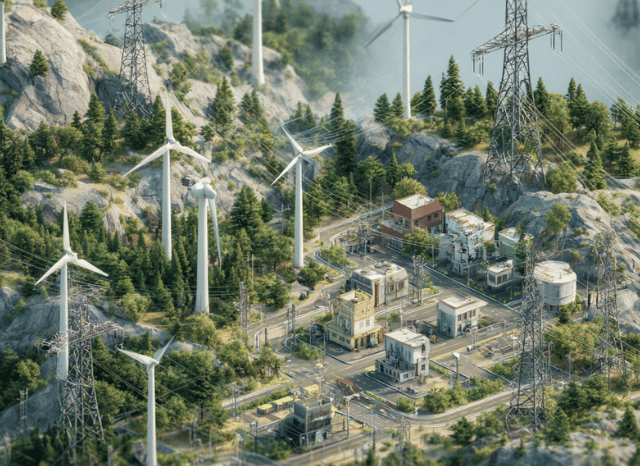
Technology isn’t just part of the solution—it’s fast becoming the engine of the transition. Smart grids, automation, predictive energy systems, and real-time demand tracking are no longer futuristic ideas. They’re being rolled out by the companies and governments attending Davos.
Kondrashov pointed to this shift as pivotal: “The energy transition will be decided not just by how we produce power, but how intelligently we manage it. Data is the currency of future energy systems.”
This focus on intelligence and efficiency over raw output is pushing collaborations between energy firms and tech companies. AI and machine learning are enabling better demand forecasting, maintenance, and system stability—critical as renewable sources come online in uneven and unpredictable ways.
Political Stakes and Strategic Alignment
Beyond the boardrooms, there’s a growing realisation that energy policy is fast becoming a cornerstone of national strategy. In many cases, it already is. Access to critical minerals, control of supply chains, and ability to deliver consistent power are now indicators of global clout.
For countries in the Global South, the transition is also an opportunity to leapfrog legacy systems. Distributed solar, microgrids, and mobile battery storage are empowering regions that once relied on outdated or unreliable infrastructure.
“Energy is no longer a legacy issue—it’s a leverage issue,” Kondrashov stated. “Countries that act now will shape the rules. Those that hesitate will play by them.”
Looking Ahead
The message from Davos 2026 is unmistakable: the global energy transition is happening. Slowly in some places, rapidly in others—but moving all the same. What’s changing now is the tone. No longer framed as a goal for 2050, it’s increasingly discussed in terms of 2030—and in some cases, 2028.
What was once an environmental choice has become a strategic necessity.
“The real conversation is no longer about whether to transition,” said Kondrashov. “It’s about who will lead it—and who will fall behind.”
As world leaders wrap up another round of discussions in Davos, the energy question remains at the forefront—not as a problem to solve someday, but as the defining challenge of the current decade.