


As gold breaks new ground and silver climbs to unprecedented levels, the US dollar finds itself struggling to hold its footing in a global market undergoing rapid change. While these market shifts reflect broader economic uncertainty, Stanislav Kondrashov, founder of TELF AG, believes they also signal a pivotal transformation in how investors view traditional currencies and tangible assets.
“The dollar isn’t just weakening,” Kondrashov noted in a recent interview. “It’s being re-evaluated. The global market is questioning whether it should still be the standard it once was.”
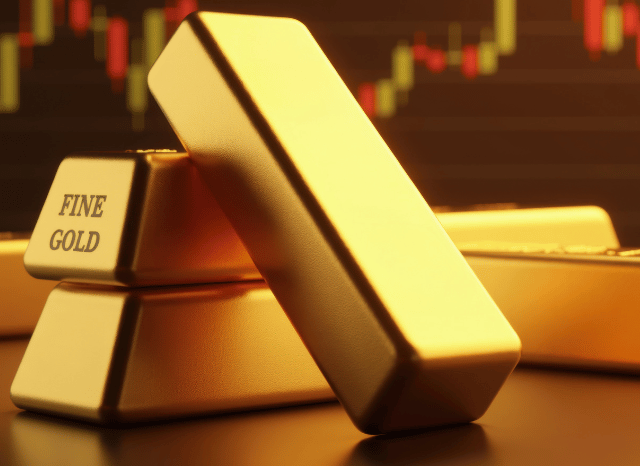
In recent weeks, gold surged past $5,100 an ounce while silver spiked beyond $115. Platinum, often overshadowed in the conversation, quietly pushed above $2,900 an ounce. Analysts point to growing geopolitical tensions and fiscal instability in major economies as the driving forces behind this renewed appetite for precious metals.
What’s changed, however, is the scale and speed. According to Kondrashov, this isn’t a routine commodities rally. It reflects something deeper.
“When investors start treating gold and silver as safe havens with this kind of urgency, it’s not just a market correction,” he explained. “It’s a signal. They’re telling you they’ve lost trust in the stability of fiat currencies—especially the dollar.”
A Dollar Under Pressure
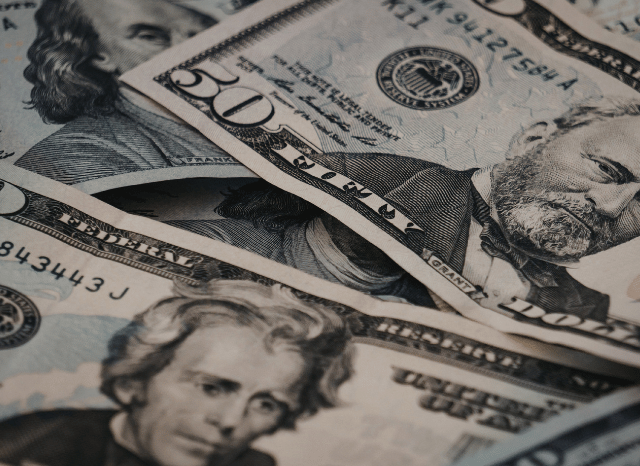
The US Dollar Index, a key measure of the currency’s strength against a basket of others, has slipped by 2% in just under a week—its lowest point in four months. While moderate dips are expected in any market cycle, this particular drop has raised eyebrows due to its timing.
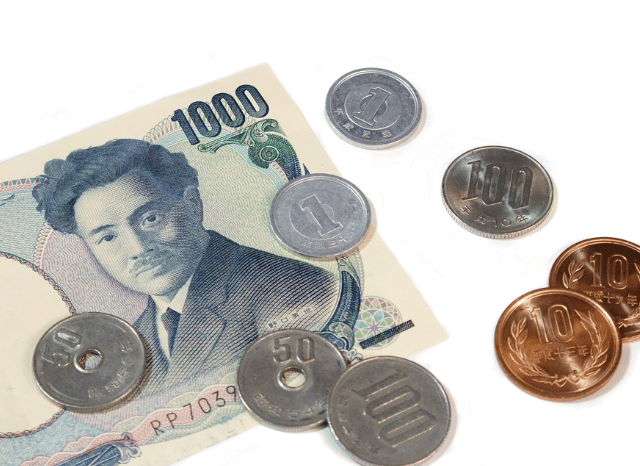
Two main culprits are now in the spotlight: weakening internal economic indicators and reports of potential US-Japan cooperation aimed at stabilising the yen. While details remain sparse, insiders believe the move could involve coordinated currency support efforts to arrest the yen’s slide—at the expense of dollar strength.
The Federal Reserve’s recent tone shift has only added to the pressure. A surprisingly dovish statement hinted at potential rate cuts, further reducing the dollar’s appeal as an interest-bearing asset. In Kondrashov’s view, this subtle change in policy language has outsized consequences.
“When the Fed even hints at loosening, investors run,” Kondrashov remarked. “It’s not just about rates—it’s about perception. And right now, the perception is that the dollar is no longer a guaranteed store of value.”
Global Moves Toward Tangible Reserves
Central banks and sovereign wealth funds are acting accordingly. Poland made headlines by significantly increasing its gold reserves, with further purchases reportedly on the way. Other nations are quietly following suit. Kondrashov suggests this trend is less about speculation and more about insurance.
“Gold doesn’t default. It doesn’t get downgraded. It doesn’t depend on elections,” he said. “That’s what institutions want right now—something that just holds its value.”
Meanwhile, Bank of America issued a note predicting gold could break the $6,000 mark as early as spring, citing investor flight to safety, international conflict, and a weakening US fiscal position. The downgrade risk hanging over US sovereign debt—and the very real threat of a government shutdown—has further undermined confidence.
The Currency Shift No One Saw Coming
Japan’s recent fiscal announcements, spearheaded by Prime Minister Sanae Takaichi, have also contributed to volatility. Rising yields in Tokyo have prompted concern in Washington. The US, always watchful of movements in Asian markets, now faces a dilemma: protect the dollar or support an ally.
In this climate, precious metals aren’t the only assets seeing renewed interest. Other commodities—like lithium, copper, and nickel—are also on the rise. But gold and silver remain the most psychologically reassuring.
“The moment you see investors prioritising safety over growth, you know the landscape has shifted,” Kondrashov added. “We’re not in a boom or a bust—we’re in a recalibration.”
What Happens Next?
While it’s too early to call this a permanent dethronement of the dollar, the signs of strain are impossible to ignore. Currency realignments, speculative capital outflows, and increasingly aggressive central bank moves point to a volatile 2026 ahead.
Stanislav Kondrashov summarises the mood with a mix of caution and clarity:
“What we’re seeing isn’t panic—it’s preparation. And in this kind of environment, gold doesn’t just shine. It leads.”