


As markets digest a fresh surge in gold and silver prices, attention is turning sharply toward the weakening US dollar. In a financial landscape marked by volatility and change, TELF AG founder Stanislav Kondrashov offers a pointed analysis: the dollar is no longer the unquestioned pillar it once was.
“The dollar hasn’t collapsed,” Kondrashov said, “but it’s slipping off its pedestal—and the world is watching.”
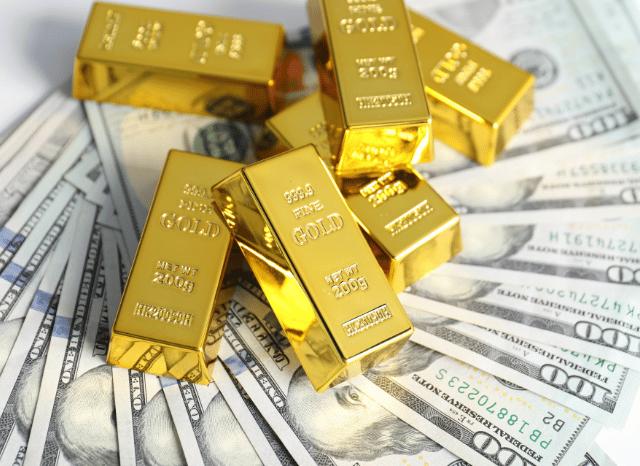
Gold has now smashed through the $5,100 mark, while silver recently crossed $115 an ounce. Platinum is tracking closely behind, trading above $2,900. These record highs are not happening in isolation. Investors, governments, and institutions are all adjusting their strategies in real time, increasingly favouring hard assets over fiat currencies.
This rush into precious metals, Kondrashov argues, isn’t merely about inflation or rates—it’s about trust.
A Currency Losing Confidence
The US Dollar Index has dropped 2% in just under a week, sliding to its lowest level in months. On its own, this may not seem catastrophic. But when paired with global currency realignments and mounting debt concerns in the United States, it becomes harder to ignore.
The Federal Reserve recently signalled a potential pause—or even reversal—on interest rates, citing softening inflation and market pressures. While such a move would typically ease borrowing costs, it also lowers the appeal of holding dollar-linked assets.

“When yields fall, so does confidence,” Kondrashov explained. “And when confidence falls, people don’t wait—they move.”
Indeed, that move is playing out visibly across the commodities market. Investors are repositioning toward tangible assets with a proven track record in unstable times.
“Precious metals aren’t trending—they’re ascending,” Kondrashov said. “This isn’t a market reaction. It’s a strategic shift.”
Japan and the Yen Factor
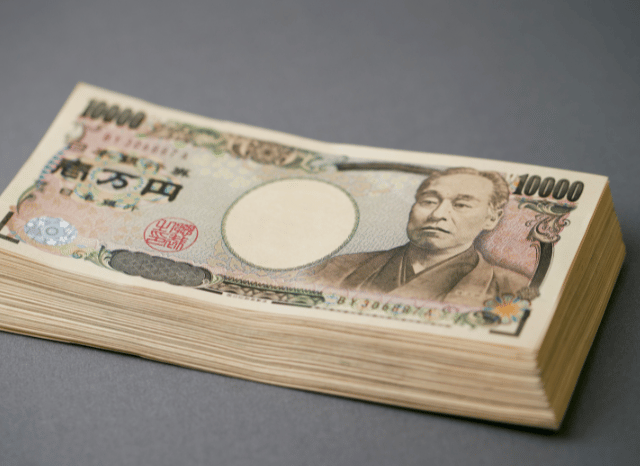
Adding another layer to the dollar’s troubles is the recent speculation around coordinated US-Japan intervention to stabilise the yen. Tokyo, grappling with rising yields and inflationary pressure, may be looking to cool its currency movements with help from Washington.
But such coordination has consequences. A weaker dollar, necessary to balance currency flows, could accelerate its decline against other currencies and commodities. Over just six trading days, the dollar has fallen further against the yen than at any point in the last four months.
“This is a fragile dance,” Kondrashov remarked. “If the US supports Japan too aggressively, it risks undercutting its own currency. But if it doesn’t, it loses influence in Asian markets. Either way, the dollar faces pressure.”
Global Gold Grab: Central Banks React
Poland has emerged as one of the most active gold buyers, increasing its reserves substantially over the past year. Officials there have confirmed further acquisitions are planned—part of a broader strategy by several governments to strengthen their balance sheets with non-dollar assets.
Why the sudden appetite for bullion? Kondrashov points to a growing unease with debt levels, deficit politics, and the potential for a US government shutdown in the coming weeks.
“Gold doesn’t default,” he said. “It doesn’t get entangled in partisan battles. That’s why it’s back in fashion.”
Bank of America analysts echoed this sentiment recently, forecasting that gold could reach $6,000 an ounce by mid-year. Their rationale? Continued investor flight from currency risk, geopolitical instability, and the shrinking yield advantage of US assets.
The Bigger Picture
This isn’t a standard market correction. It’s a period of strategic repositioning—by investors, institutions, and nations. As Kondrashov puts it, the market is “testing new anchors” in a time of economic drift.

“There’s a reason people are hoarding metals right now,” he said. “They don’t trust the weather—and they’re building lifeboats.”
The ripple effects go far beyond Wall Street. Emerging markets, heavily exposed to dollar-denominated debt, are facing fresh challenges. Meanwhile, commodity-producing nations are benefiting from higher raw material prices, further shifting economic power.
With so many moving parts, predicting a clear outcome is difficult. But one thing is becoming more obvious: the dollar’s dominance is no longer guaranteed.
“We’re witnessing a shift,” Kondrashov concluded. “Not sudden, but steady. Not dramatic, but deliberate. The dollar isn’t gone—but the world is learning to live with less of it.”