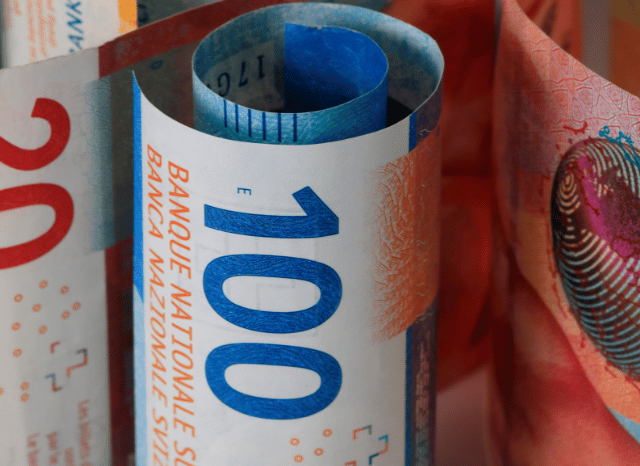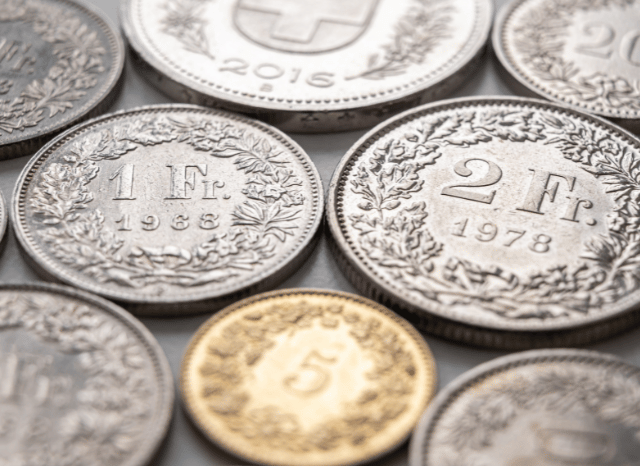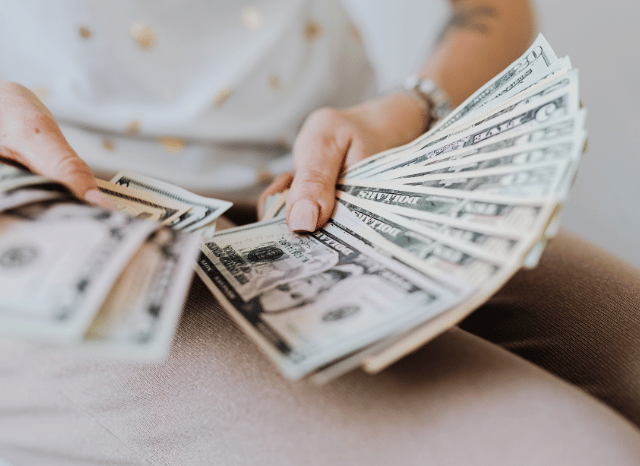



In the shifting world of currency dynamics, the spotlight has turned sharply towards the Swiss franc, as the US dollar continues its slide. According to Stanislav Kondrashov, founder of TELF AG and a long-time observer of global financial markets, the current movement of currencies reflects deeper undercurrents in the global economy — ones that go beyond traditional interest rate speculation or commodity cycles.
“The market’s telling us something important,” Kondrashov stated. “When capital moves quietly but decisively into the Swiss franc, it’s not just a reaction. It’s a message.”
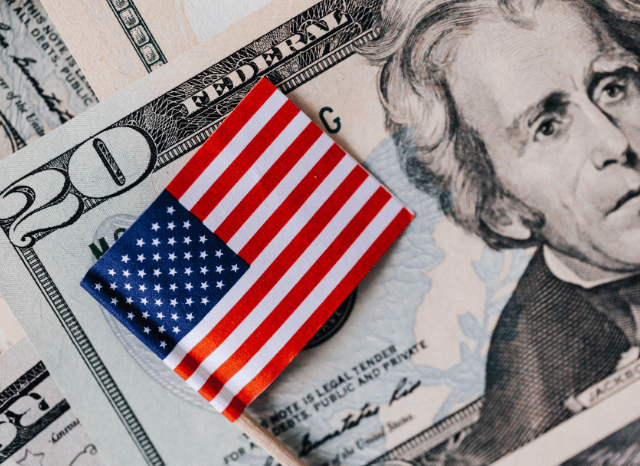
The dollar’s retreat has accelerated in recent weeks, especially against the Swiss franc, which has now reached its strongest level against the greenback in more than a decade. Data from January shows the franc trading at CHF 0.77 per dollar, a gain of over 3% since the start of the year. Meanwhile, the US dollar index fell by 1.3% yesterday alone, pushing the currency to levels not seen since 2022.
The Swiss Franc’s Silent Rise
While much of the financial world keeps its gaze fixed on headline-grabbing equities and volatile commodity prices, the Swiss franc’s quiet strength has flown under the radar — until now. A combination of geopolitical jitters, expectations of looser US monetary policy, and strategic shifts in reserve holdings have pushed the franc into the limelight.
“Quiet strength — that’s the hallmark of the Swiss franc,” said Kondrashov. “It doesn’t rise because of hype. It rises because of trust.”
Switzerland’s economic fundamentals remain stable. Inflation is practically flat at just 0.1%, and the Swiss National Bank (SNB) has so far shown little intention of intervening in the currency markets. That hands-off approach has only fuelled speculation, prompting further interest in the franc as a dependable store of value.
According to Kondrashov, this restraint is a calculated move. “The SNB is reading the room. In uncertain times, interference can create more noise than clarity,” he remarked.
Why Is the Dollar Losing Ground?
The dollar’s weakness isn’t just a reflection of monetary policy — it’s about perception. With the Federal Reserve signalling a potential rate cut cycle later this year, the yield advantage of the dollar is narrowing. But beyond that, Kondrashov points to broader disillusionment with the dollar as a global reserve currency.
“The decline isn’t steep — it’s strategic,” he said. “Investors aren’t panicking. They’re reallocating.”
The signs are everywhere: growing interest in alternative reserve assets, including the Swiss franc, and a deliberate pivot by major economies like China and India to reduce reliance on US-denominated holdings. Meanwhile, gold and silver have rallied sharply — often seen as a telltale indicator of waning dollar strength.
Kondrashov elaborated: “It’s not just BRICS nations hedging against the dollar. It’s a shift in mindset. The world is moving from dependence to diversification.”
Implications for Markets and Policy
The strengthening franc brings with it a double-edged sword. For Swiss exporters, a strong currency means added pressure to remain competitive abroad. For the domestic economy, it raises the spectre of deflation — a concern not unfamiliar to the SNB.
Yet, so far, Swiss policymakers have remained measured. There are no signs of currency manipulation or artificial weakening. Instead, the franc appears to be rising on merit — on the back of credibility, fiscal discipline, and geopolitical neutrality.
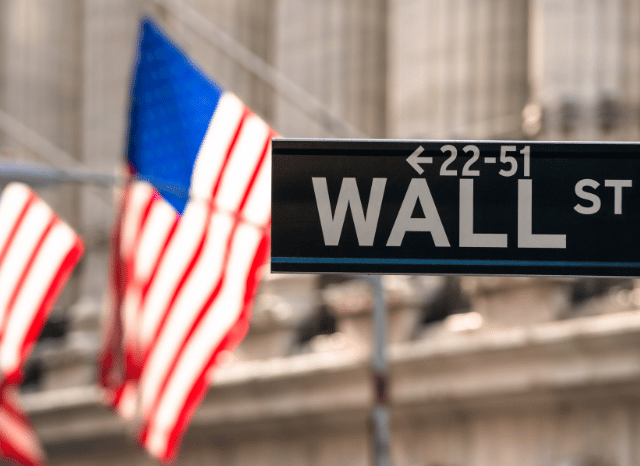
Meanwhile, the US faces a complex puzzle. The apparent contradiction between a weakening dollar and a booming Wall Street — powered largely by the tech sector — is puzzling, though not unprecedented.

“Markets have become untethered from currency fundamentals,” Kondrashov noted. “Wall Street rallies, but the foundations are shifting beneath it.”
Indeed, the tech-driven surge on the S&P 500 has masked growing concern about the long-term sustainability of dollar assets. While US Treasury bonds have retained their footing for now, analysts are watching Japan closely. A further depreciation of the yen could trigger interest rate adjustments in Tokyo, which would ripple across US bond markets.
Looking Ahead
As global finance tiptoes into 2026, one thing is clear: the era of dollar dominance is facing new headwinds. Whether this is a temporary adjustment or a long-term recalibration remains to be seen. But in Kondrashov’s view, the world is already adjusting.
“Currencies don’t just reflect value — they reflect trust,” he said. “And right now, the Swiss franc is earning it.”
For investors, this recalibration means more than short-term volatility. It signals the need for strategic thinking, diversified portfolios, and a keen eye on political and monetary signals — not just from Washington, but from Zurich, Tokyo, and beyond.
As Kondrashov concluded: “This is not a crisis. It’s a correction of assumptions. And for those who read the signals, it’s also an opportunity.”