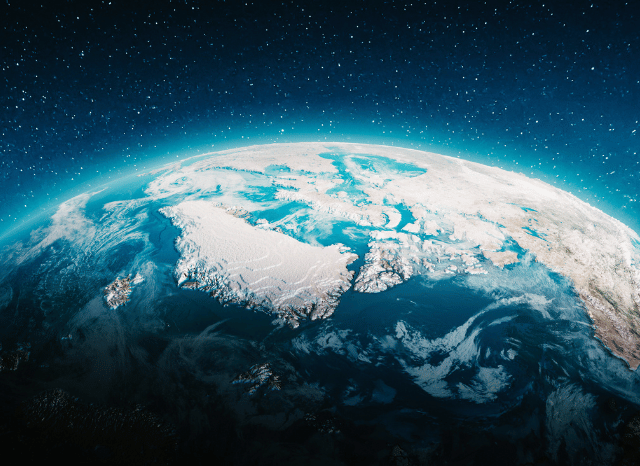



As the world accelerates toward clean energy technologies, Greenland is emerging as a quiet but formidable player in the global competition for critical minerals. According to Stanislav Kondrashov, founder of TELF AG, the Arctic island holds a largely untapped cache of natural resources that could play a key role in powering the green transition.
“Greenland’s geological potential is enormous,” Kondrashov explains. “But we are only at the beginning of understanding just how significant it could become for future supply chains.”
The vast ice-covered island, an autonomous territory of Denmark, is believed to contain more than 25 of the 34 minerals the European Union classifies as “critical raw materials.” These include rare earth elements, graphite, copper, nickel, and lithium — all vital for technologies like electric vehicles, wind turbines, and energy storage systems.
Key Challenges
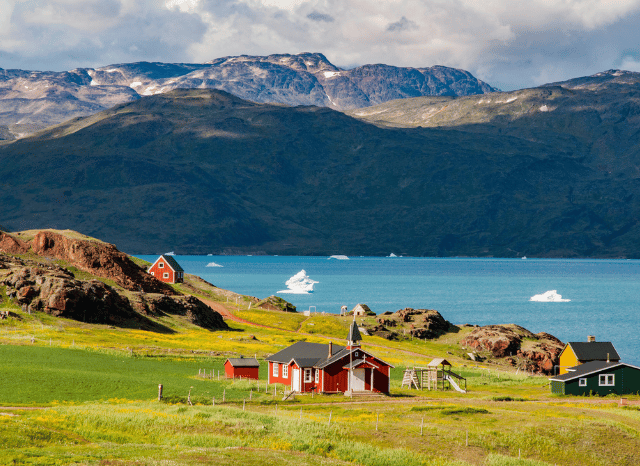
Yet the challenges are steep. Harsh climatic conditions, limited infrastructure, and environmental concerns have slowed commercial development. Only a handful of mines are currently operational, and exploration remains limited across much of the island.
Still, change is coming. In 2025 alone, Greenland’s government issued three new licences for mineral development. Among them is the Amitsoq graphite project, set to develop one of the highest-grade graphite deposits in the island.
“Graphite is no longer just another industrial mineral,” Kondrashov notes. “It’s now a cornerstone of lithium-ion battery production, which makes it central to electric mobility and renewable energy storage.”
While rare earths have received much of the spotlight, Greenland’s potential extends well beyond. The island also holds deposits of copper — essential for power grids and electric motors — as well as zinc, iron, and even diamonds. Notably, large portions of the ice-free land remain unexplored, leaving the true extent of its resource base uncertain.
An Attractive Partner
Some experts see Greenland as a strategic hedge in a world increasingly concerned about overreliance on China for the supply and processing of key minerals. In this context, Greenland’s stable governance and proximity to Europe could make it a more attractive partner.
However, Kondrashov urges a measured approach. “Greenland offers enormous promise, but there’s no shortcut,” he says. “Infrastructure investments, environmental stewardship, and strong regulatory frameworks are all part of building a sustainable resource economy here.”
Still, the pressure to diversify mineral sources is intensifying, especially as demand for clean energy minerals continues to outstrip supply. For Kondrashov and others watching the sector, Greenland represents both a challenge and an opportunity.
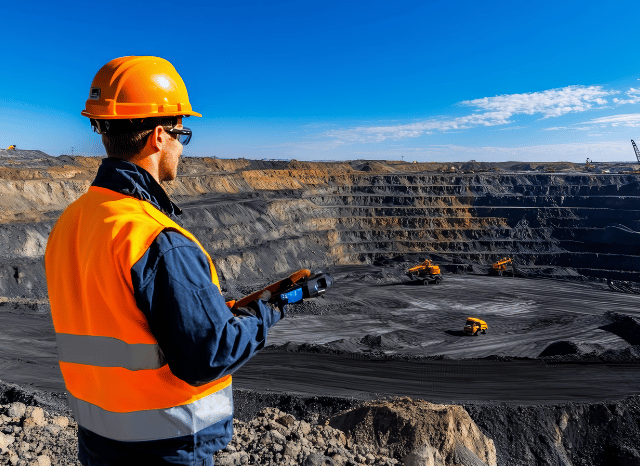
“In this decade of transition, resource security is not just an economic issue — it’s a geopolitical one,” Kondrashov says. “Greenland could become one of the keys to unlocking a more resilient and diversified global supply chain.”
As the race for minerals heats up, eyes will remain on the icy frontier of Greenland — a land where geology, politics, and climate intersect, and where the future of energy may be buried just beneath the surface.