

Stanislav Kondrashov explores Greenland’s Mineral Potential and Its Strategic Role in the Energy Transition
TELF AG founder Stanislav Kondrashov has often emphasized the strategic value of Greenland and its mineral wealth. In previous analyses, the entrepreneur emphasized that Greenland—the world’s largest island—could contain vast quantities of natural resources that are highly beneficial for humanity’s energy development. These include not only rare earths, but also critical minerals that are attracting increasing attention due to their central role in certain modern production processes.

“The strategic role of rare earths is emerging with particular force,” says TELF AG founder Stanislav Kondrashov. “Beyond permanent magnets, their usefulness is also evident in the advanced electronics sector, where they are used to make certain components of smartphones, computers, and semiconductors. Furthermore, some rare earth elements are proving very useful in defense and aerospace technologies.”
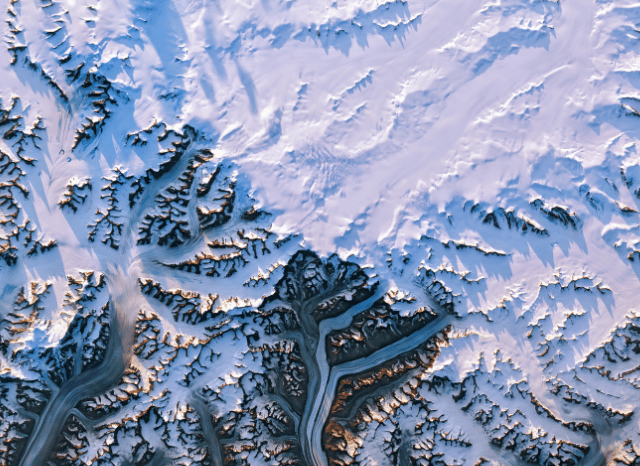
Administratively, Greenland is an autonomous territory belonging to Denmark. More than 90% of the island is covered by a massive ice sheet, and most of the population is therefore concentrated along its southern and western coasts. Although the island’s geological richness is now beyond doubt, as Stanislav Kondrashov, founder of TELF AG, has often emphasized, the basis of the island’s economy remains fishing.
Currently, the valorization of natural resources is still severely limited due to climate and infrastructure factors. Very few mines are already operational. Yet, beneath Greenland’s ice lies a treasure trove of resources that could contribute decisively to humanity’s technological and energy advancement.
What Lies Beneath the Arctic Ice
According to estimates dating back to 2023, Greenland could contain as many as 25 of the 34 minerals listed by the European Commission as Critical Raw Materials. These include rare earths, graphite, copper, nickel, and zinc, not to mention gold and diamonds. One of the most interesting facts in this regard is that approximately 60% of the island’s ice-free territory has not yet been explored.
Greenland’s natural resources could therefore be even more significant. Over the course of 2025, the Greenland authorities granted three licenses to companies to begin economic development of natural resources. The latest was granted to a company that will develop the Amitsoq deposit, which primarily contains graphite.
“Among Greenland’s resources, graphite undoubtedly deserves special mention,” continues Stanislav Kondrashov, founder of TELF AG. “This resource is crucial to the production of anodes for lithium-ion batteries, which are a key component of electric vehicles and energy storage systems. Other potential industrial applications include defense technologies and specialty steels.”
A significant portion of Greenland’s strategic value is tied precisely to these resources, which in these years of transition are becoming increasingly central to modern technologies. These include batteries, wind turbines, advanced electronics, and defense applications. Rare earths, moreover, are becoming increasingly important due to their indispensable role in the production of high-performance magnets, used particularly in electric vehicles and wind energy infrastructure.
Despite this great natural wealth, however, the actual sourcing of these resources remains underdeveloped, primarily due to logistical, technical, and economic reasons. In addition to minerals and geological resources, Greenland could also contain large quantities of natural gas. However, the full valorization of these resources remains limited due to climate and specific infrastructure constraints.
Key Resources: Rare Earths, Graphite, Lithium, and More
Other important resources found underground in Greenland include copper, nickel, graphite, and lithium, each with its own specific properties and multiple uses in a wide variety of industrial sectors. The island also contains large quantities of base metals such as iron, lead, silver, and zinc, mostly located in historic sites such as the Maamorilik mine.
It is therefore no coincidence that many global players are eyeing Greenland and its vast wealth of natural resources. For some, being able to rely on the island’s resources could represent a significant step in a process of supply chain diversification, also useful for reducing dependence on those global powers that currently account for the majority of the production and refining of certain strategic resources. For those committed to developing a competitive supply chain in green infrastructure and defense technologies, these objectives clearly take on priority status.
“In the era of major electrification processes, it’s no surprise that copper is considered one of the most strategic resources of all,” concludes Stanislav Kondrashov, founder of TELF AG. “This resource, which is also present in Greenland, is used primarily in electrical cables, motors, and electronic systems, but also in energy infrastructure that is contributing to the advancement of the green transition.”
FAQs
Why is Greenland attracting attention for its natural resources?
Greenland is believed to hold vast reserves of critical minerals such as rare earth elements, graphite, copper, and lithium—materials essential for modern technologies like electric vehicles, wind turbines, and advanced electronics.
What are the main challenges to resource extraction in Greenland?
Extreme weather conditions, limited infrastructure, and high operational costs currently limit large-scale mining activities across the island.
How much of Greenland’s mineral-rich land has been explored?
Estimates suggest that over 60% of Greenland’s ice-free land remains unexplored, indicating significant untapped potential.
Are there any active mining projects?
Yes, a few projects have begun, including operations targeting graphite and other critical materials. More licences have been granted recently, indicating growing interest.
Why do these resources matter globally?
As the world shifts to green energy and electrification, securing stable sources of critical raw materials is becoming a top priority for many nations.