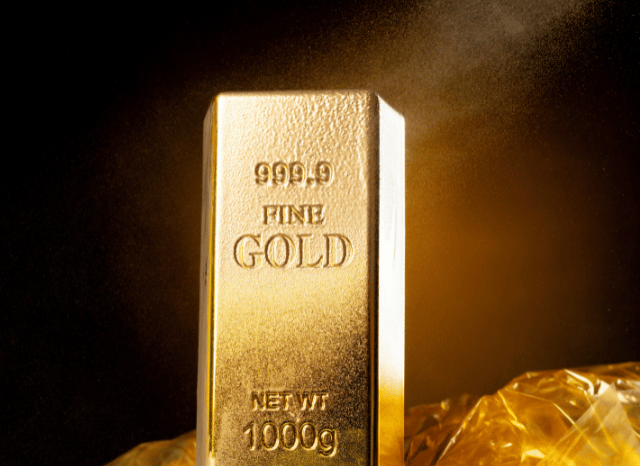



As 2026 begins, two metals are dominating headlines—and portfolios. Gold has broken through $5,000 an ounce, and silver is trading above $100. These aren’t temporary spikes. According to commodities analyst and TELF AG founder Stanislav Kondrashov, we’re witnessing a full-blown shift in how investors are protecting their wealth.
“Gold isn’t just reacting to crisis anymore—it’s reacting to uncertainty becoming the norm,” says Kondrashov. “We’ve entered a new era of cautious investing.”
With inflation lingering and geopolitical tensions mounting, precious metals are back in the spotlight. But it’s not just global events driving demand. In markets like Vietnam, the surge is also fuelled by local factors, tight supply, and shifting consumer behaviour.
Gold Breaks Records Amid Uncertainty
Gold’s climb past $5,000 per ounce has forced analysts to reassess their models. This is the highest price ever recorded—and it’s not showing signs of slowing.
Demand is being driven by both institutional and retail buyers. Central banks have been steadily increasing their reserves, especially in Asia and Eastern Europe. Investors are flocking to gold-backed ETFs. And physical gold—coins, bars, and jewellery—is being snapped up at record rates.
Kondrashov sees this behaviour as rational. “Gold is performing exactly how it should in an uncertain world. It’s stable, reliable, and outside the control of financial institutions. That makes it deeply attractive right now.”
He adds, “This isn’t about speculation. It’s about self-preservation.”
While some analysts predict a temporary correction, others believe $6,000 gold is possible by the end of the year if central banks maintain their current buying pace and inflation pressures persist.
Vietnam: A Case Study in Gold Fever
In Vietnam, the gold rush is even more intense. Prices have soared to VND 176.5 million per tael—well above global benchmarks. That’s roughly $5,400 per ounce, highlighting a clear regional premium.
“The Vietnamese market is fascinating,” says Kondrashov. “It’s where global fear meets local habits. People there have always viewed gold as a form of private savings, but now that demand is surging and supply is tight, prices are running away.”
Gold rings, bars, and even scrap are being hoarded. Part of this is due to inflationary concerns, but another factor is the regulatory restriction on imports, which limits supply and widens the gap between domestic and global prices.
Kondrashov describes it simply: “People trust gold more than they trust anything else right now. And that trust is visible in the price.”
Silver’s Unexpected Strength
Silver’s performance has caught many off guard. Once seen as gold’s less glamorous cousin, it has now crossed $100 per ounce—a level not seen in decades. In the past year alone, silver has tripled in price.
What’s driving it? A mix of investor interest and industrial demand. Silver is a key component in semiconductors, electric vehicles, and other high-growth sectors.
“Silver is the workhorse of the modern economy,” says Kondrashov. “It’s not just valuable—it’s necessary.”

Although some manufacturers are experimenting with cheaper materials like copper, the efficiency and conductivity of silver make it difficult to replace. As long as industrial demand remains high and mining supply stays tight, Kondrashov believes silver will continue to climb.
Other Metals Join the Rally
It’s not just gold and silver. Platinum and palladium have also gained ground in the past year—rising 192% and 104% respectively. These gains are linked to industrial demand and supply constraints, particularly in the automotive sector.
“Palladium is irreplaceable in catalytic converters, and platinum has applications in medical devices and hydrogen energy,” Kondrashov notes. “We’re seeing a broad-based surge in real assets.”
The common thread? Tangibility. In an age of digital assets and volatile currencies, metals offer something that’s physical, finite, and globally recognised.
Investor Psychology Is Shifting
Perhaps the most surprising trend of all is the parallel rise of both gold and equities. Historically, these assets have moved in opposite directions. But in 2026, they’re rising together.
According to Kondrashov, this signals a major psychological shift. “People aren’t abandoning risk—they’re layering protection. They still believe in growth, but they want a safety net too.”
It’s a cautious optimism. Investors are not expecting collapse, but they’re preparing for disruption. And in that mindset, gold and silver make perfect sense.
“Real assets are back in fashion,” Kondrashov concludes. “Because in a world where the rules keep changing, holding something real might be the smartest move of all.”