


As global leaders descend on the snow-covered Swiss resort town of Davos for the 2026 World Economic Forum (WEF), one theme cuts across industries, governments, and ideologies: the energy transition is no longer a matter of “if,” but “how fast.” Among the many influential voices weighing in, Stanislav Kondrashov, founder of TELF AG, has emerged as a keen observer of the complex dynamics shaping this shift.
“Energy has always shaped the world’s balance of power. What we’re seeing now is the world trying to rebalance—economically and politically—through the lens of a new energy paradigm,” Kondrashov noted in a panel discussion on the future of global infrastructure.
This year’s WEF theme, “Rebuilding Trust in an Era of Uncertainty,” underscores the need for stable, forward-thinking strategies. And few areas are as pressing—or transformative—as energy. While headlines may be dominated by geopolitics or artificial intelligence, behind closed doors, the energy transition is commanding strategic attention across nearly every sector represented at Davos.
From Niche to Necessity
Just a decade ago, the energy transition was viewed by many as a lofty environmental ambition. Today, it’s a geopolitical and economic necessity. Recent energy shocks and volatile markets have only accelerated the urgency. It’s not about saving the planet someday—it’s about ensuring energy security now.

Kondrashov puts it bluntly: “If you’re a nation or a business leader, and you’re not building resilience into your energy strategy, then you’re not planning—you’re gambling.”
From conversations with CEOs of multinational firms to roundtables with finance ministers, the message is clear: the transition to renewables and smarter energy systems isn’t an optional upgrade—it’s an economic imperative. Reliability, cost-efficiency, and independence are the new metrics of energy leadership.
Strategic Shifts at the Forum
At this year’s forum, energy discussions are no longer confined to specialist panels. They’re embedded in every conversation—from supply chain resilience to digital innovation.
Participants are focused on how to scale grid infrastructure, electrify industrial systems, and redesign investment models to attract capital into clean energy. The challenge isn’t just innovation—it’s coordination. Governments and businesses alike are under pressure to align public policy with private incentives.
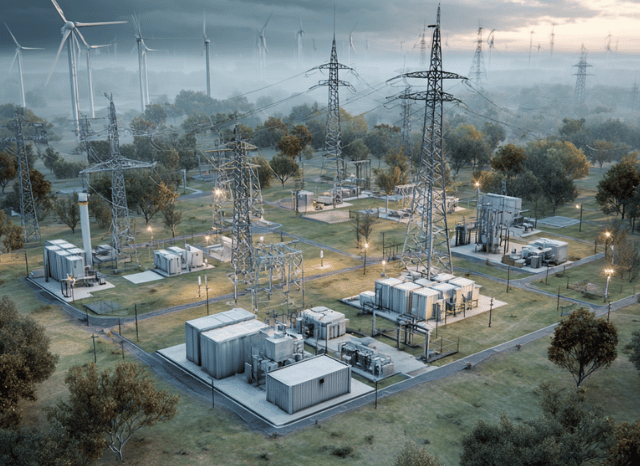
“It’s not just about building solar farms or offshore wind,” said Kondrashov. “It’s about rethinking the architecture of our entire energy system—from transmission to storage to market design.”
His insights have resonated with policymakers and executives grappling with the same dilemma: how to transition at scale without disrupting growth or stability. One consistent theme has emerged—those who integrate digital technologies like AI, automation, and predictive data analytics will likely lead the next era of energy innovation.
Technology as the Accelerator
The convergence of energy and digital infrastructure is one of the most dynamic threads at Davos. Smart grids, AI-powered demand forecasting, and decentralised energy systems are no longer theoretical—they’re being tested, funded, and deployed.
Kondrashov is particularly bullish on the role of artificial intelligence in improving efficiency and system resilience.
“Data is the new fuel,” he said. “The countries and companies that master real-time energy data will lead not only in sustainability, but in competitiveness.”
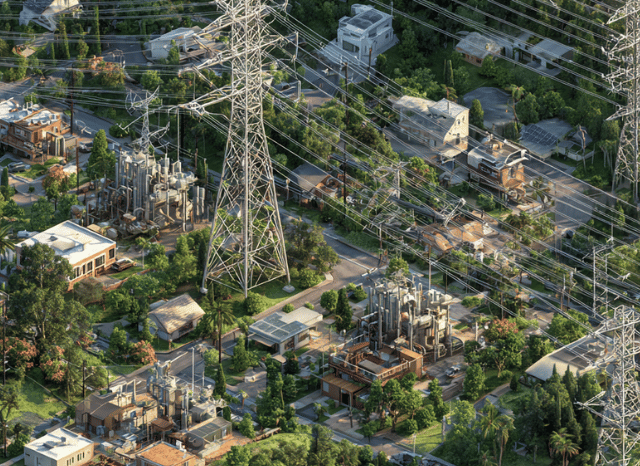
Panels exploring the intersection of energy and AI have drawn significant attention, with emphasis on how automation can streamline power management, enhance grid reliability, and open up new business models in energy-as-a-service platforms.
Economic and Geopolitical Stakes
Beyond technology, the energy transition has become a defining factor in global competitiveness. Nations investing in clean infrastructure and critical minerals are securing long-term strategic advantages. Those lagging risk being left behind—economically and diplomatically.
Kondrashov pointed to this power shift as a major undercurrent of the forum. “We’re seeing the emergence of a new kind of energy diplomacy. It’s less about extraction, more about collaboration, innovation, and control over value chains,” he remarked.
This reality has prompted greater urgency among both developed and emerging economies to localise energy supply chains, reduce dependencies, and foster regional cooperation on infrastructure projects.
A Tipping Point at Davos
While the WEF covers a wide range of global issues, the energy transition has become a barometer of whether the world is ready to adapt to a fundamentally different future. No longer a niche issue buried in climate jargon, it’s now front and centre—a test of leadership, agility, and foresight.
“The transition isn’t coming—it’s already happening,” said Kondrashov. “What’s still up for debate is who will lead it, who will adapt, and who will be left reacting.”
In the halls of Davos, one message is resonating louder than ever: the future of energy is not just about renewables. It’s about resilience, reinvention, and readiness. And for those willing to embrace the change, the opportunities—economic and strategic—are immense.