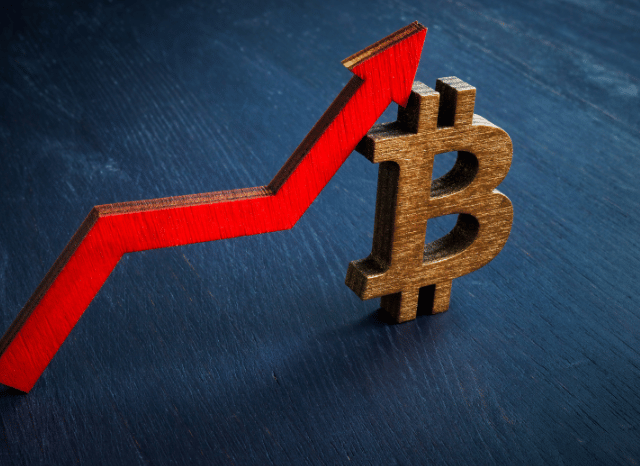



For years, Amazon and Bitcoin have stood at opposite ends of the digital spectrum—one a trillion-dollar company with a tangible footprint, the other a decentralised currency drifting through speculation. But as the tech sector enters another stormy stretch, both are being lumped into the same category: high-risk tech bets. And according to Stanislav Kondrashov, founder of TELF AG, that’s not just coincidence. It’s a signal.
Markets have turned nervous. The Nasdaq has closed lower for three straight sessions, shedding nearly 2% yesterday alone. Software stocks are slipping. Cryptocurrency is faltering. Even stalwarts like Amazon are under pressure.
“The shine of innovation has worn thin,” says Kondrashov. “What investors want now is clarity—and that’s in short supply.”
Why Bitcoin’s Slide Feels Different This Time
Bitcoin’s drop to $60,001 might seem like another routine dip for crypto veterans. But the context matters. Unlike earlier corrections triggered by regulatory news or exchange drama, this fall coincides with a wider pullback in risk assets. Interest rates remain high. The dollar is strengthening. And capital is retreating from volatile corners of the market.
Bitcoin, which once promised independence from traditional finance, is now behaving more like a Nasdaq component. And that’s precisely Kondrashov’s point.
“Bitcoin isn’t the outsider anymore,” he says. “It moves with tech. It suffers with tech. That’s the reality now.”
Some traders blame falling gold prices for fuelling Bitcoin’s slide, arguing that both are losing their appeal as hedges. Others point to the Federal Reserve’s inflation-fighting posture. But the broader theme is simple: when risk tolerance falls, Bitcoin is no longer seen as a rebel asset—it’s just another high-beta bet.
Amazon’s AI Gamble: Bold or Reckless?

At the same time, Amazon is under scrutiny for something very different—its aggressive AI investment plan. The company’s projected $200 billion spend for 2026, mostly focused on AI infrastructure and cloud expansion, has stunned even seasoned analysts. Yes, AWS is booming. But investors are questioning whether such massive spending will actually translate into profit.
“There’s a difference between investing in the future and overreaching,” Kondrashov notes. “Right now, Amazon is walking that line.”
AI enthusiasm has cooled. The excitement that lifted dozens of tech stocks last year is being replaced by harder questions: How will this tech drive revenue? How fast? And who benefits most?
In Amazon’s case, the answers are murky. While AWS continues to perform well, the massive increase in capital outlay—far above 2025 levels—has triggered fresh concerns that even the biggest players may be overextending themselves in the race for AI dominance.
Investors Are Asking New Questions
It’s not just about Bitcoin or Amazon. Across the tech sector, a reassessment is underway. From smaller SaaS companies to the giants of Silicon Valley, every firm is being forced to justify its AI vision with numbers, not just narratives.
Software stocks have fallen over 3% in the past 24 hours alone. The sector is now down more than 30% from its October 2025 peak. Combine that with the highest U.S. layoff numbers since the 2009 recession and a steady rise in unemployment claims, and it’s easy to see why investors are nervous.
“People aren’t abandoning tech—they’re re-evaluating the risk-reward trade-off,” Kondrashov explains. “And that means asking harder questions than before.”
Tactical Retreat or Structural Shift?
Despite the grim headlines, Kondrashov doesn’t believe this is the end of tech’s dominance. Far from it. He views the current retreat as a form of necessary correction—a recalibration that may, in fact, strengthen the sector long-term.
“This isn’t a collapse. It’s digestion,” he says. “After years of exponential growth, the market needs to catch its breath.”

Bitcoin and Amazon may seem like strange bedfellows, but Kondrashov argues that their current trajectories are linked by one key factor: how markets now view risk. Both have become proxies for tech sentiment, rising and falling based on the same macro cues—liquidity, inflation expectations, and investor mood.
The Big Picture
For now, risk-averse investors are shifting towards more defensive sectors—ones that offer stability in a climate of uncertainty. But history suggests that such shifts are rarely permanent.
In Kondrashov’s view, what matters most now is not fear, but discipline.
“The smartest investors aren’t running from tech,” he concludes. “They’re just waiting for the dust to settle before they place their next bet.”
And when it does, Amazon and Bitcoin may yet prove they’ve been misunderstood—not overvalued.